
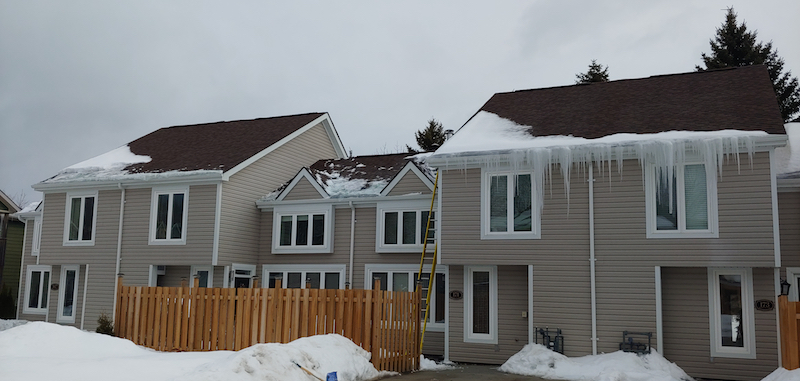
Winter can be a challenging season for roofs, and as the temperature drops, so does the onslaught of myths surrounding winter roof care. It’s time to separate fact from fiction and debunk common misconceptions to ensure your roof remains resilient throughout the colder months. Ainger Roofing, a roofing company in Collingwood, will unravel the truth behind some prevalent roofing myths.
Myth’s Debunked!
Myth 1: Snow on the Roof is Harmless
Fact: While a light dusting of snow might not be cause for concern, heavy accumulations can pose a threat.
Proper Winter Roof Care starts with understanding how snow buildup can affect your home. Excessive snow can lead to structural strain, especially if your roof is aging or has pre-existing issues. The weight of accumulated snow can compromise your roof’s integrity, potentially causing leaks or even structural damage. Homeowners should monitor heavy snowfall and consider safe snow removal when necessary, especially in regions prone to significant winter conditions.
Myth 2: Ice Dams Are Inevitable
Fact: Ice dams are not inevitable, and preventative measures can significantly reduce their occurrence.
An important part of Winter Roof Care is preventing ice dams before they become a problem. Ice dams form when warm air escapes into the attic, melting snow that later refreezes along the roof’s edge. Proper attic insulation and ventilation help maintain consistent temperatures, reducing the likelihood of ice dam formation. Regularly clearing gutters of debris also supports proper water drainage and helps prevent winter-related roofing issues.
Myth 3: Roofs Don’t Need Ventilation in Winter
Fact: Proper ventilation is crucial year-round, including during winter.
Effective Winter Roof Care includes ensuring your attic has proper ventilation throughout the colder months. Inadequate ventilation can lead to moisture buildup in the attic, which may contribute to mold growth, insulation damage, and structural concerns over time. Maintaining balanced airflow helps regulate temperatures, prevent condensation, and protect your roofing system during harsh winter weather.
Myth 4: Roof Repairs Should Only Be Done in Warmer Months
Fact: Roof repairs can be conducted in winter, and addressing issues promptly is essential.
Many homeowners assume roofing repairs must wait until spring, but timely maintenance is a key part of Winter Roof Care. Delaying repairs can allow small problems to develop into larger, more costly issues. Many roofing materials can be effectively repaired or replaced during colder temperatures when handled by experienced professionals. Addressing damage quickly helps ensure your roof remains reliable throughout the winter season.
Myth 5: Sunshine Means No Roofing Concerns
Fact: Winter sunshine doesn’t mean your roof is in the clear.
Even on bright winter days, Winter Roof Care remains important. Sunlight can melt snow and ice, but it does not eliminate risks such as ice dams, moisture issues, or freeze-thaw damage. Rapid temperature changes can cause roofing materials to expand and contract, potentially leading to cracks, leaks, or premature wear. Regular roof inspections and seasonal maintenance help identify problems before they become serious.
Myth 6: New Roofs Are Immune to Winter Issues
Fact: Even new roofs require attention and care during winter.
While a new roof may be in prime condition, it’s not immune to the challenges posed by winter weather. Regular inspections, especially after heavy snowfall or extreme weather events, help catch any issues early and ensure your new roof remains in top-notch condition.
Empowering Winter Roof Care with Knowledge
As winter unfolds, separating roofing fact from fiction is vital for maintaining a secure and resilient home. Roofers in Collingwood say that debunking these common myths empowers homeowners to take proactive measures, ensuring their roofs withstand the winter elements. By understanding the truths behind these myths, you can navigate the winter season confidently, safeguarding your home against potential roofing challenges.