
Types Of Roof leaks
A leaking roof is a homeowner’s nightmare, and understanding the different types of roof leaks is crucial for timely detection and resolution. Whether it’s a minor drip or a major water intrusion, each type of leak has its own causes and solutions. In this guide, Ainger Roofing, a roofing company in Collingwood, will delve into the diverse types of roof leaks, offering insights into their origins and providing guidance on effective solutions.
Identifying the Culprits: Common Types of Roof Leaks
1. Damaged Shingles
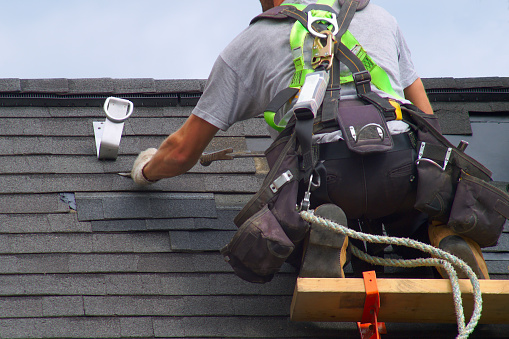
Damaged or missing shingles are a common cause type of roof leaks. Whether due to severe weather conditions, age, or poor installation, compromised shingles expose the underlying roof structure to water infiltration. Regular inspections and prompt shingle replacement are essential for preventing leaks.
2. Flashing Failures
Flashing seals vulnerable areas of your roof, including chimneys, vents, and skylights. However, this material can deteriorate over time due to weather exposure and general wear. As a result, cracked or improperly installed flashing can allow water to seep into your home and cause roof leaks. Regular maintenance and inspections of flashing can help identify issues before they escalate.
3. Ice Dams
In colder climates, ice dams can form along the edge of your roof and prevent proper drainage. As snow melts and refreezes, it creates a barrier that traps water on the roof. Consequently, this trapped moisture can seep beneath shingles and lead to leaks. Therefore, maintaining proper insulation and ventilation is essential for preventing ice dams and protecting your roof.
4. Skylight Issues
While skylights add natural light to your home, they can become sources of leaks if not properly installed or maintained. Improper sealing or damaged skylight components can lead to water infiltration. Regular checks and timely repairs can mitigate this risk.
5. Vent Pipe Problems
Roof vents and vent pipes are critical for proper ventilation, but they can also be vulnerable points for leaks. Damaged or improperly sealed vent pipes can allow water entry. Regular inspections and prompt repairs ensure the integrity of vent systems.
6. Valley Leaks
Roof valleys, where two roof slopes meet, are common areas for potential leaks. Over time, improper installation, aging materials, or general wear and tear can weaken the waterproofing in these vulnerable areas. Therefore, regular inspections and timely repairs to damaged valley flashing are essential for preventing leaks and protecting your roof.
Solutions for Different Roof Leak Types
Damaged Shingles Solution
Addressing damaged shingles involves replacing the affected ones. Regular roof inspections can help identify worn or missing shingles, allowing for timely repairs and preventing further damage.
Flashing Failures Solution
Flashing issues require careful inspection and, if necessary, replacement. Professional roofers can assess the condition of flashing, ensuring it forms a watertight seal around vulnerable areas.
Ice Dams Solution
Preventing ice dams involves proper insulation and ventilation in the attic. Installing a waterproof membrane along the roof’s edge and promptly removing accumulated snow can also mitigate the risk of ice dams.
Skylight Issues Solution
Skylight leaks can often be resolved by resealing or replacing damaged components. Regular maintenance, including cleaning debris from around skylights, contributes to leak prevention.
Vent Pipe Problems Solution
Inspecting vent pipes for damage and ensuring proper sealing are essential steps. Repairs or replacements, if needed, should be carried out promptly to maintain the watertight integrity of the roof.
Valley Leaks Solution
To repair valley leaks, professionals must carefully inspect the flashing and roofing materials in the affected area. Additionally, replacing damaged flashing and addressing any underlying problems are essential steps for properly resolving roof valley leaks and preventing future water damage.
Frequently Asked Questions (FAQs) about Roof Leaks
Can I Patch a Leaking Roof Myself?
While some minor repairs may be DIY-friendly, it’s advisable to consult with roofing professionals for comprehensive assessments and solutions. DIY patches may not provide long-term effectiveness.
How Often Should I Inspect My Roof for Leaks?
Regular roof inspections, ideally twice a year and after severe weather events, are recommended. Early detection of potential issues allows for timely repairs and prevents further damage.
Does Home Insurance Cover Roof Leaks?
Home insurance coverage for roof leaks can vary depending on your policy and the cause of the damage. Therefore, it’s important to review your coverage carefully and understand the specific conditions that determine whether your insurance provider will cover roof leak repairs.
Can Moss and Algae Cause Roof Leaks?
While moss and algae don’t directly cause leaks, they can accelerate the deterioration of roofing materials. Regular cleaning and maintenance help prevent the growth of moss and algae.
Are Leaks Always Visible in the Interior of the Home?
Not necessarily. Some leaks may go unnoticed until significant damage has occurred. Regular exterior and interior inspections help identify leaks in their early stages.
Can a Leaking Roof Cause Mold?
Yes, a leaking roof can lead to mold growth. In addition, moisture caused by roof leaks creates the ideal environment for mold to spread and damage your home. Therefore, addressing leaks quickly and completing timely repairs can help prevent mold-related issues.
Conclusion
Understanding the different types of roof leaks is pivotal for maintaining a watertight and resilient home. Roofers in Collingwood say whether caused by damaged shingles, flashing failures, or other issues, identifying and addressing leaks promptly is key to preserving the integrity of your roof and preventing extensive damage.