
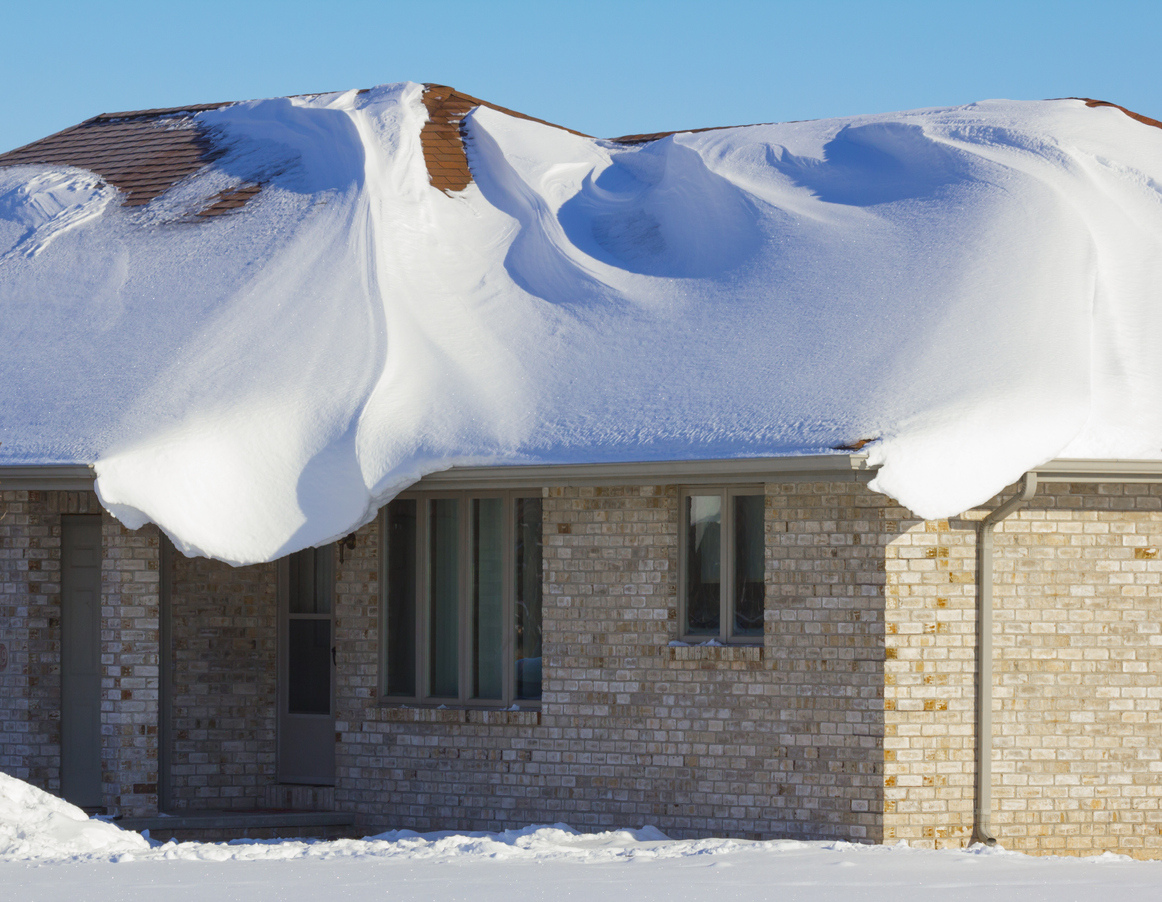
How Winter Weather Affects Your Roof
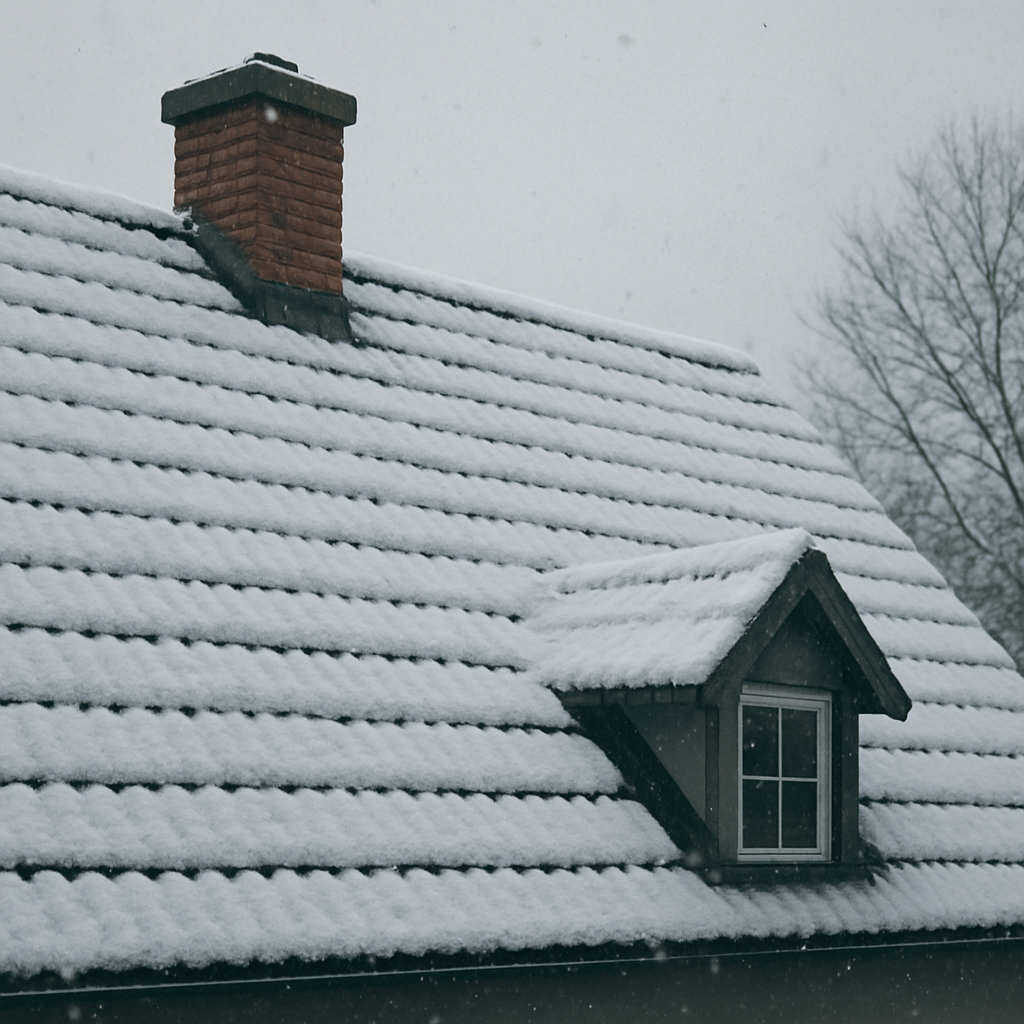
Winter brings with it a unique set of challenges for homeowners, particularly when it comes to maintaining the integrity of your roof. As temperatures drop and snow accumulates, your roof becomes vulnerable to a range of issues that could lead to costly repairs if not addressed in a timely manner. Understanding how cold weather affects your roof and knowing the signs of potential damage can save you time, money, and headaches.
The Impact of Cold Weather on Roof Damage
Cold weather can affect your roof in several ways, from ice dam formation to shingle damage. Here’s a closer look at some of the common issues:
Ice Dams
Ice dams are a common problem during the winter months. They form when the heat from your home causes snow on the roof to melt, only to refreeze at the edges where it’s colder. Additionally, This creates a dam that prevents melting snow from draining off the roof, leading to water seepage under shingles, which can cause leaks and water damage inside your home.
Prevention Tips
- Ensure Proper Insulation: First, make sure your attic is properly insulated. A well-insulated attic helps prevent heat from escaping, reducing uneven snowmelt and lowering the risk of ice dams.
- Ventilation is Key: In addition, proper attic ventilation helps maintain a consistent roof temperature by allowing warm, moist air to escape. As a result, it reduces the risk of ice dams forming during the winter months.
- Remove Snow Safely: Finally, use a roof rake to carefully remove excess snow from your roof without damaging your shingles. However, if your roof is steep or snow accumulation is excessive, it’s safest to hire a professional to handle the job.
Shingle Damage
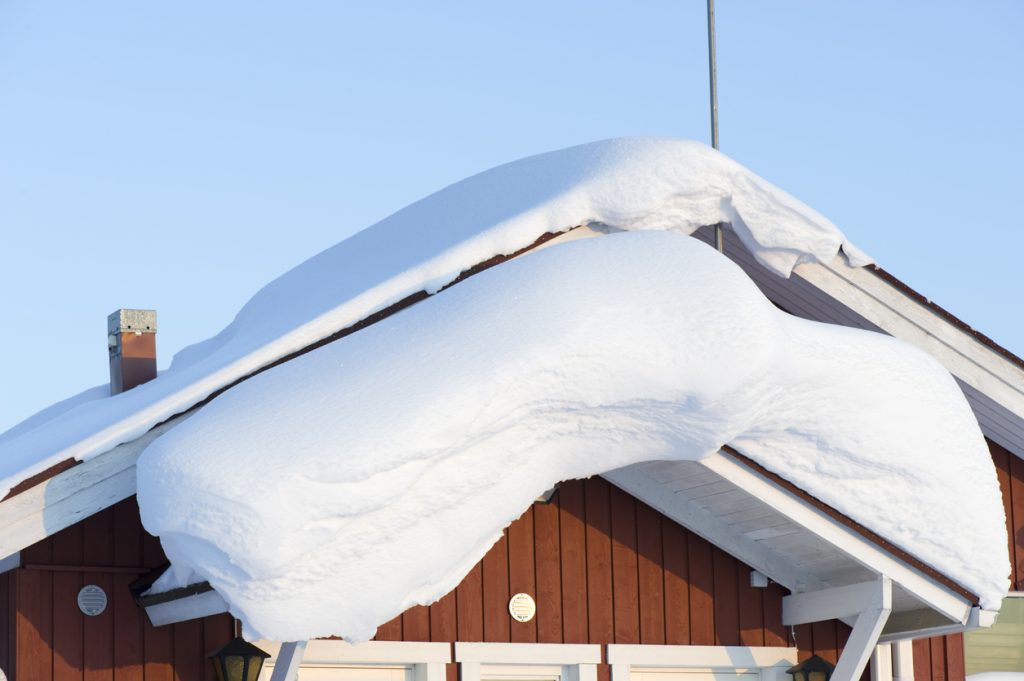
Cold temperatures can make shingles brittle and more susceptible to cracking. Wind, ice, and snow can further aggravate this issue, leading to loose or missing shingles.
What to Watch For
- Cracks or Curling: Check for shingles that appear cracked or curled at the edges.
- Missing Shingles: After severe weather, inspect your roof for any missing shingles.
Winter Roof Maintenance Tips to Avoid Roof Damage
Proper maintenance is crucial to ensure your roof withstands the harsh winter conditions. Here are some practical steps you can take:
Regular Inspections
Schedule regular roof inspections, particularly before and after winter. A professional can identify potential issues that you might miss, ensuring your roof is prepared for the cold months and assessing any damage once winter is over.
Clean Gutters and Downspouts
Also, Ensure your gutters and downspouts are clean and free of debris. Clogged gutters can prevent proper drainage, leading to ice dams and water backup.
Trim Overhanging Branches
Additionally, trim any tree branches that hang over your roof. Heavy snow and ice can cause branches to break, which may damage your roof and increase the risk of costly repairs.
Signs of Roof Damage to Look Out For
Most importantly, recognizing the signs of roof damage early allows you to address small issues before they become major problems.
Interior Signs
- Water Stains: Look for water stains on your ceiling or walls, which may indicate a leak.
- Peeling Paint or Wallpaper: This can be a sign of moisture infiltration from a roof leak.
Exterior Signs
- Sagging Roofline: A sagging roofline could indicate structural damage caused by snow and ice weight.
- Visible Damage: Check for any visible damage, such as cracked or missing shingles, especially after storms.

When to Call a Professional for your Roof Damage
While some maintenance tasks can be performed by homeowners, certain situations require professional intervention. If you notice significant damage or aren’t comfortable inspecting your roof, it’s best to call a roofing professional. They have the expertise and equipment necessary to safely assess and repair any issues.
Choosing the Right Roofing Professional
When selecting a roofing contractor, consider the following:
- Experience and Reputation: Look for contractors with good reviews and a history of quality work.
- Licensing and Insurance: Ensure the contractor is licensed and insured to protect against liability.
- Detailed Estimates: Request detailed estimates and compare them to ensure you’re getting a fair price.
Ice Dam Prevention and Solutions to avoid Roof Damage
In addition to maintenance tips, there are specific strategies you can employ to prevent and address ice dams:
Long-Term Solutions
- Upgrade Insulation: Increasing insulation in your attic can help maintain a uniform roof temperature.
- Install Heating Cables: These cables can be installed along your roof’s edge to melt snow and ice, preventing dams.
- Roof Ventilation: Ensure your roof has adequate ventilation to help regulate temperature and prevent ice dam formation.
Short-Term Solutions
- Use a Roof Rake: Safely remove snow from your roof to reduce the risk of ice dams.
- Calcium Chloride Tablets: Place these along the edges of your roof to help melt ice. Avoid rock salt, as it can damage your roof and harm vegetation.
Roof Damage
Winter can be harsh on your roof, but with proper maintenance and timely intervention, you can protect your home from the damaging effects of cold weather. By understanding the risks and recognizing the signs of damage, you’re better equipped to take preventative measures and address issues before they escalate. Remember, when in doubt, consult with a roofing professional to ensure your roof remains in optimal condition throughout the winter months.