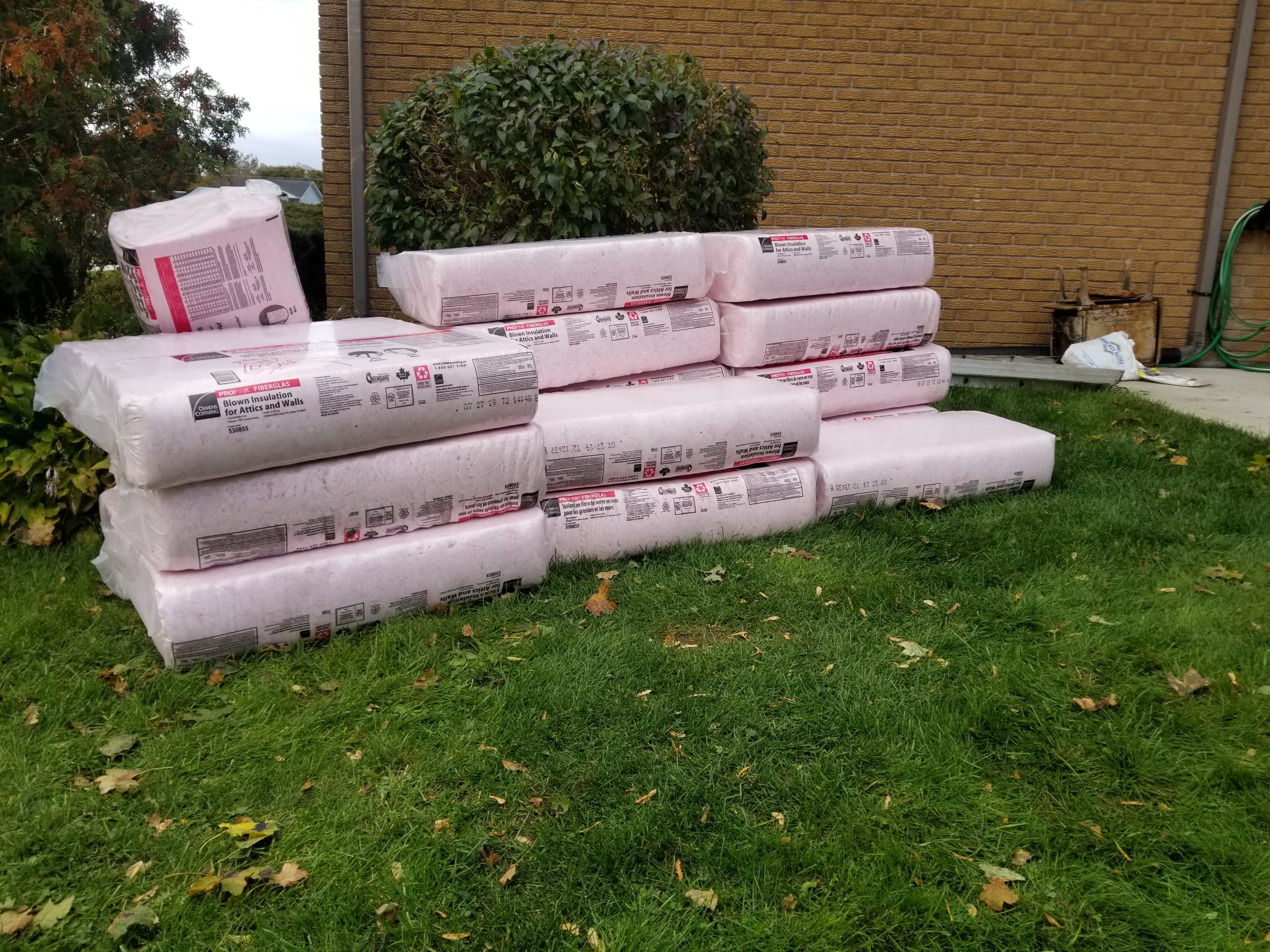
To keep your home warm this winter, you might be comparing blown in cellulose vs fiberglass attic choices. Most people know their home is losing heat, but looking up into a dusty attic feels tricky. When weighing blown in cellulose vs fiberglass attic solutions, you hear about R-values, settle rates, and fluffy pink wool versus gray paper fluff. So, let us break down how these two insulation choices work in simple plain words.
In Central Ontario, cold winter air from Lake Simcoe and Georgian Bay tests your roof every single day. If your attic lacks thick wool, warm air from your furnace floats right through the ceiling and leaks out. This lost heat wastes your hard-earned money and causes thick ice dams along your roof edges. Therefore, picking the right attic fill keeps bedrooms cozy and lowers power bills all winter long.
At Ainger Group, we believe in keeping home care simple and honest. We do not use pushy sales talk or bog you down in numbers. Instead, we want to help you know what goes into your attic so you can make the right choice. Here is an easy, honest guide to how both attic types stack up, especially when considering blown in cellulose vs fiberglass attic options.
How Cellulose and Fiberglass Work in Cold Attics
To choose the best attic insulation ontario homes need, it helps to know what these choices are made of. Fiberglass is made from tiny spun glass threads woven into a fluffy, light blanket. When workers blow it into your attic, it looks like soft pink or white cotton candy. It traps pockets of air to slow down heat moving through your ceiling.
In contrast, cellulose insulation is made from used paper, like old news print and paper boxes. Makers shred this paper into tiny pieces and treat it with boric salt to stop house fires. Because paper threads are much denser than spun glass, cellulose packs down tight across your attic floor. So, it blocks cold winter drafts much better than light fiberglass.
Furthermore, pests and bugs hate treated paper wool. The salt wash makes it hard for mice or bugs to nest inside. Also, both choices work well to quiet down outdoor noise from passing cars or heavy rain. But because paper wool is dense, it often wins when it comes to keeping your home quiet.
Comparing Attic Insulation Types and Settle Rates
When comparing attic insulation types, you will always hear the term R-value. In plain English, R-value just measures how well wool stops heat from leaking out of your house. The higher the R-value number, the better the fill keeps heat inside where it belongs. Today, Ontario building rules ask for an R-60 rating in all cold northern zones.
To reach that R-60 goal, cellulose needs to be about sixteen inches deep across your attic floor. On the other hand, fiberglass needs about twenty-two inches of depth because it is lighter and less dense. So, if your attic has low roof slopes or tight corners, cellulose gives you more heat protection in less space. Notably, the blown in cellulose vs fiberglass attic debate is especially relevant in homes with tight spaces.
Next, you need to know about settle rates over time. All blown-in attic wool settles and flattens out after crews blow it into place. Paper wool will settle by about fifteen to twenty percent over its first year. In contrast, fiberglass settles very little, often less than five percent. So, honest crews always blow paper wool a few inches deeper to hit the right depth after settling.
Looking at Blown in Insulation Cost and Long-Term Value
Most home owners want to know the bottom line when comparing the blown in insulation cost of each option. In most cases, blown fiberglass costs a little bit less to buy and install upfront. Glass wool blows through the hose quickly, making it a fast job for attic crews. So, if you are on a very tight budget, fiberglass offers a cheap way to top up thin spots.
However, cellulose gives you better long-term value for every dollar you spend on your home. Because cellulose packs tightly, it fills in around ceiling joists, pipes, and house wires with ease. Fiberglass often leaves tiny air gaps around tricky corners where cold air can leak right through. So, paper wool helps your furnace run less, saving you more on heating bills each month.
Also, think about how long each material lasts in our cold Ontario weather. Both types can last for thirty years or more if your roof stays dry. Also, if damp air hits your attic, paper wool keeps its shape while glass wool can sag down. Therefore, spending a bit more on paper wool often pays for itself through lower power bills over the years. In summary, choosing between blown in cellulose vs fiberglass attic insulation has a real long-term impact on your home’s comfort and efficiency.
How Ainger Group Keeps Your Attic Project Stress-Free
Topping up your attic should never feel like a giant headache. At Ainger Group, we follow simple rules that take all the stress out of your home project. First, we provide proof of our five million dollars in liability insurance and full WSIB safety proof. You never take on legal risk or worry about harm when our trained crew is working in your home.
Next, our Pre-Project Concierge calls you before the job starts to walk through every step. We confirm start times, explain where our truck will park, and answer any questions you have. When our crew arrives, we lay down heavy tarps to protect your floors, stairs, and rugs. Meanwhile, our on-site Project Lead watches over the work to ensure we blow the exact depth promised.
Plus, we always install stiff rafter baffles and air-seal open ceiling gaps before blowing new wool. We never cut corners by blowing insulation over your fresh air vents. Last, we give you our Homeowner Proof Report with clear photos showing the finished work and depth rulers. You get clear price facts, zero surprise fees, and a warm, cozy home all winter long.
Claim Your Free 72-Point Assessment
For regular updates follow our LinkedIn.