
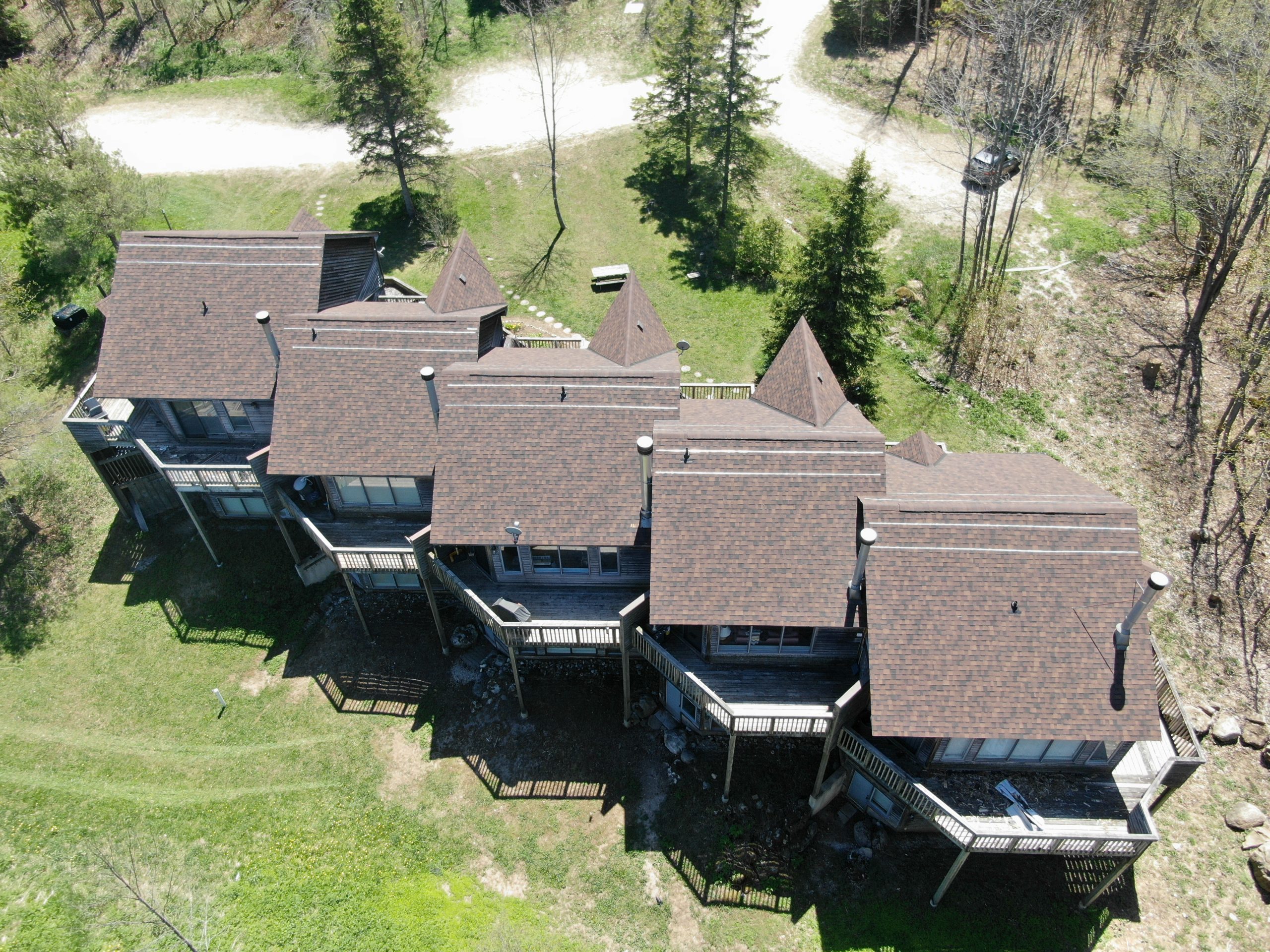
Maintaining your home’s exterior can feel daunting. This is especially true after a heavy storm leaves you wondering how to tell if roof needs repair or replacement. Fortunately, minor issues like a cracked seal or a missing shingle do not always require an expensive overhaul. This comprehensive roof repair guide is designed to walk you through the fundamentals of DIY Roofing Repairs for Homeowners. It will help you save money while effectively protecting your property.
Roofing Repair & Service in Collingwood | Ainger Group
DIY Roofing Repairs Safety First: Essential Gear and Tools
Before you even think about climbing the ladder, you must prioritize your personal safety. If you’re a homeowner considering DIY repairs for your roofing, it is crucial to prepare your essential roofing safety equipment list, which should include a sturdy roof harness, high-traction non-slip boots, and heavy-duty work gloves. You’ll also need the right hardware to do the job efficiently. Therefore, invest in a dedicated roofing hammer and shingle ripper tools to safely remove damaged materials. This helps ensure that you do not inadvertently harm the surrounding intact roof surface.

Pinpointing the Problem
Successful diy roof repair always starts with accurate, careful diagnostics. For most homeowners, pinpointing the need for roofing repairs through DIY methods is essential: because water travels along roof rafters before dripping onto your ceiling, finding the exact source from the outside can be tricky. To begin, inspect attic for water damage—dark stains or mold on the interior wood often point directly to the original breach above.
Once safely on the roof, focus on identifying common roof leak locations such as vents, chimneys, and structural seams. Additionally, perform a thorough underlayment and drip edge inspection. This will help you check for hidden wood rot or compromised water barriers at the very edges of your roof.
Executing Common DIY Roofing Repair Fixes
When undertaking diy roofing repairs, focus your efforts on manageable, practical tasks. After all, the most effective repairs for homeowners are often DIY in nature when it comes to basic roofing fixes.
- Replacing Damaged Shingles: When repairing wind damaged shingles, gently lift the intact shingle directly above the broken one. Next, follow proper asphalt shingle replacement steps: remove the old nails with your ripper tool, slide the fresh shingle into place, and secure it firmly with galvanized roofing nails.
- Addressing Flashing Issues: Metal flashing protects the most vulnerable structural joints. Fixing leaking vent pipe flashing by replacing a cracked rubber boot or applying new exterior-grade caulk is a quick, high-impact win. For masonry elements, installing step flashing around chimneys might be slightly more complex. However, it is absolutely crucial for diverting heavy rain away from porous brickwork.
- Sealing Valleys and Cracks: Water naturally channels down roof valleys, making them highly susceptible to wear. When sealing roof valley leaks, understanding the difference between roof cement vs roofing sealant is vital. Use standard roofing sealant in a caulking gun for small cracks and exposed nail heads. However, opt for a thicker, trowel-grade roof cement to patch larger gaps or to stick down loose flashing.
Proactive Protection and Maintenance
Preventative seasonal care goes a long way. Homeowners should view routine DIY roofing repairs not just as fixes, but as powerful tools for long-term property protection and maintenance. Implementing effective ice dam prevention techniques, such as improving your interior attic insulation and thoroughly clearing gutters before winter sets in, stops freezing water from backing up under your shingles. Ultimately, extending roof lifespan through regular maintenance is the most cost-effective strategy for any diligent property owner.
DIY Roofing Repairs For Homeowners
While executing DIY Roofing Repairs for homeowners is highly rewarding and budget-friendly, it is essential to recognize your own limits. If structural damage is extensive, the roof pitch is dangerously steep, or multiple leaks persist, that is exactly when to call a professional roofer. By tackling minor, everyday fixes quickly and safely, you can keep your home dry and secure year-round.