Blown In Attic Insulation & Ventilation Systems
Proper blown in attic insulation and ventilation work together to protect your home and improve efficiency. When functioning as a complete system, they help control temperature, manage moisture and support long-term performance.


Is Your Attic Costing You Money? The Scientific Diagnostic Approach
Most homeowners rarely enter their attic. However, attic conditions can affect monthly energy bills, indoor comfort and roof performance. Air leaks and poor insulation allow heat to move through the ceiling. As a result, your home may waste energy during summer and develop damaging ice dams during winter. Professional blown-in attic insulation helps create a more consistent thermal barrier
Our Scientific Diagnostic Assessment:
Our Detailed Attic Assessment
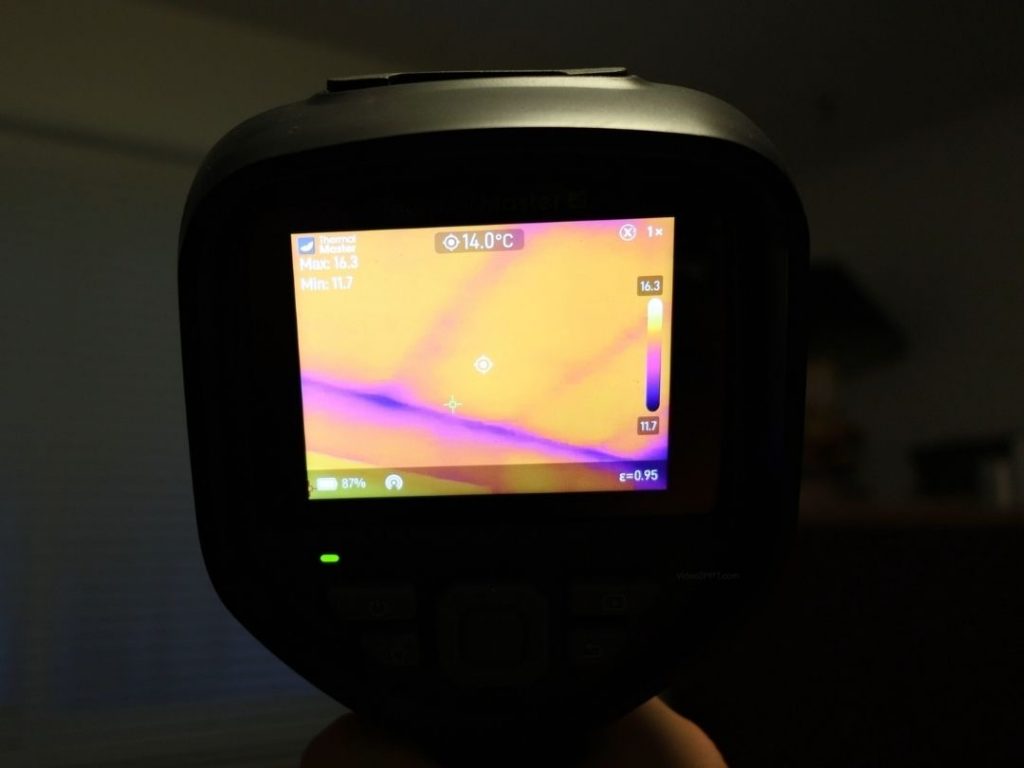
FLIR Thermal Imaging: First, thermal imaging helps us find hidden air leaks and gaps in your blown-in attic insulation. These problem areas allow indoor heat to escape into the attic.
Camera Inspections: Next, small cameras help us inspect tight eave corners and soffit areas. As a result, we can check airflow without removing drywall.
Digital Moisture Meters: Finally, moisture meters help us detect excess humidity and hidden water near the roof deck. Therefore, we can identify concerns before rot or mould spreads.
Look for these critical warning signs:
Ice Dams Along the Eaves: First, escaping indoor heat warms the attic and melts rooftop snow. Next, the water flows toward the colder eavestroughs and refreezes. As a result, trapped water may back up beneath the shingles. Proper blown-in attic insulation helps reduce the heat loss that causes this cycle.
Rising Energy Bills: Poorly insulated attic floors can allow significant heat loss. As a result, your heating and cooling systems must work harder. Proper blown-in attic insulation helps reduce heat transfer and improve year-round energy efficiency.
Drafty Rooms and Hot Upper Levels: Uneven indoor temperatures may indicate poor insulation coverage above your ceilings. As a result, some rooms may feel drafty during winter and excessively hot during summer. Proper blown-in attic insulation creates more consistent coverage across ceiling joists.
Schedule Your Scientific Attic Inspection
We provide clear and honest evaluations. First, our Assessment Specialists inspect your attic, ventilation and existing insulation. Next, they identify any gaps, moisture concerns or airflow problems. Finally, they recommend the right blown-in attic insulation solution. This approach helps your insulation and roofing system work together effectively.
Understanding the Complete Attic Ecosystem
Insulation without ventilation creates only half a system. Therefore, a healthy attic needs both effective thermal protection and controlled airflow. While insulation reduces heat transfer, ventilation helps remove excess heat and moisture. As a result, these systems work together to protect your roof and improve home comfort.
At Ainger Group Roofing and Exteriors, we understand how attic ventilation affects your shingles, roof decking and energy performance. In addition, we assess both systems before recommending blown-in attic insulation.
At Ainger Group Roofing and Exteriors, we never cut corners or rush installations. Instead, we carefully complete every blown-in attic insulation project to our quality standards. Moreover, our 1,500+ reviews, 20,000+ satisfied customers and 4.9-star Google rating reflect our commitment to homeowners. As a result, customers across Central and Southern Ontario continue to trust our workmanship and care.
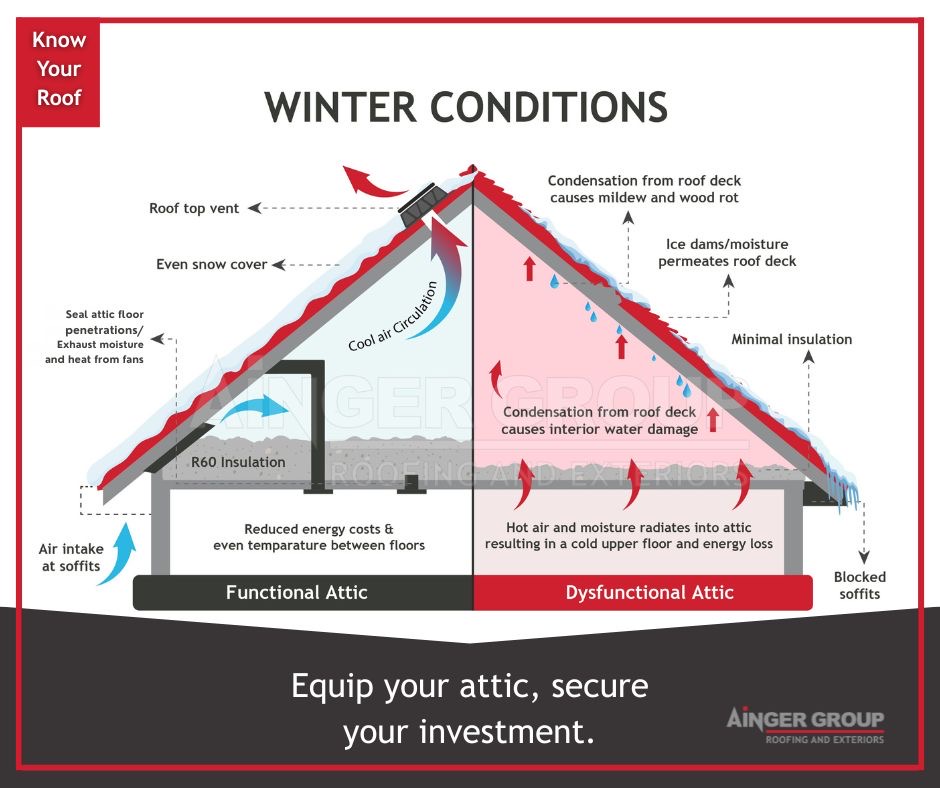
Fresh air enters through soffit vents. We install Owens Corning Raft-R-Mate Under Deck Vents to keep intake channels clear from insulation blockages.
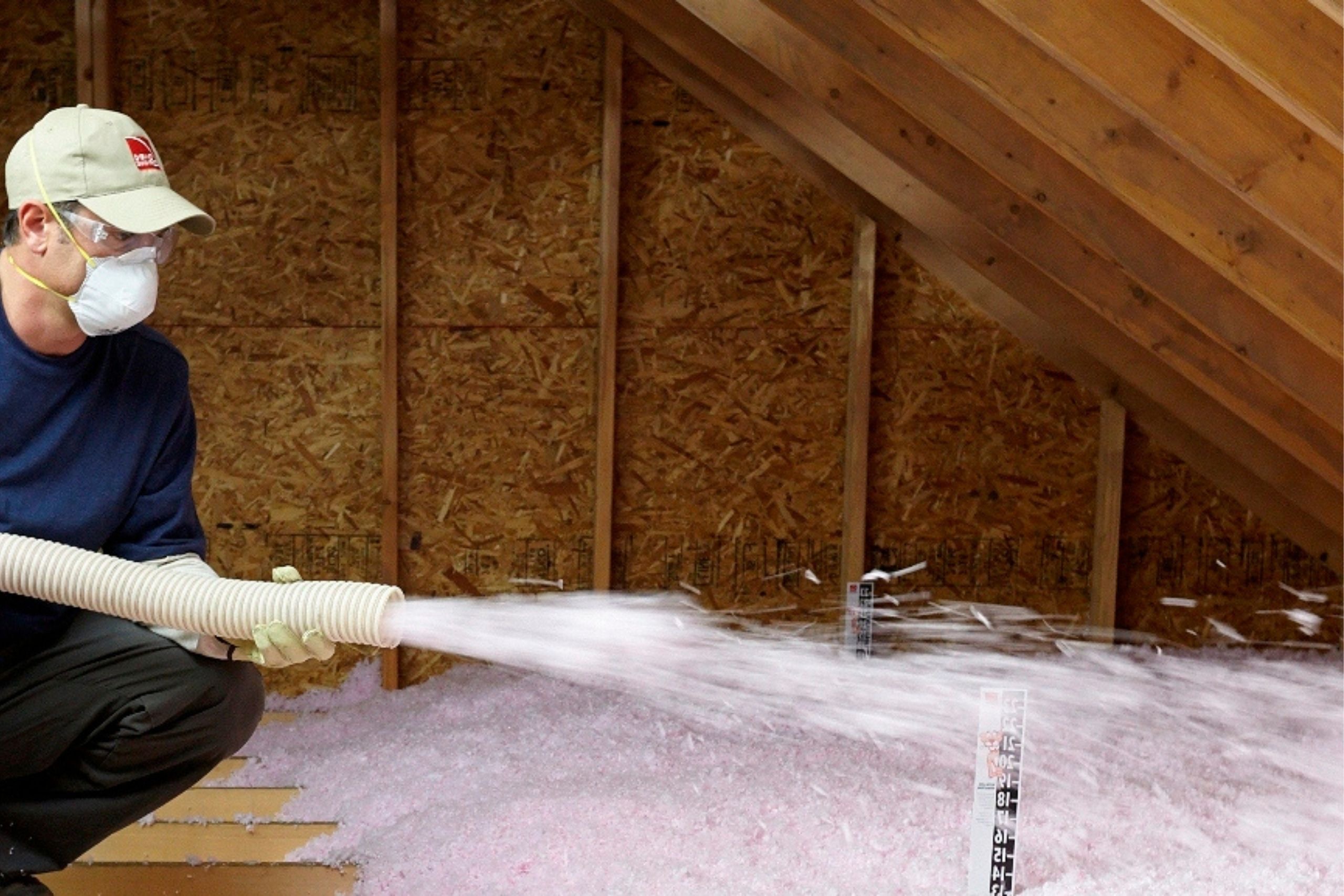
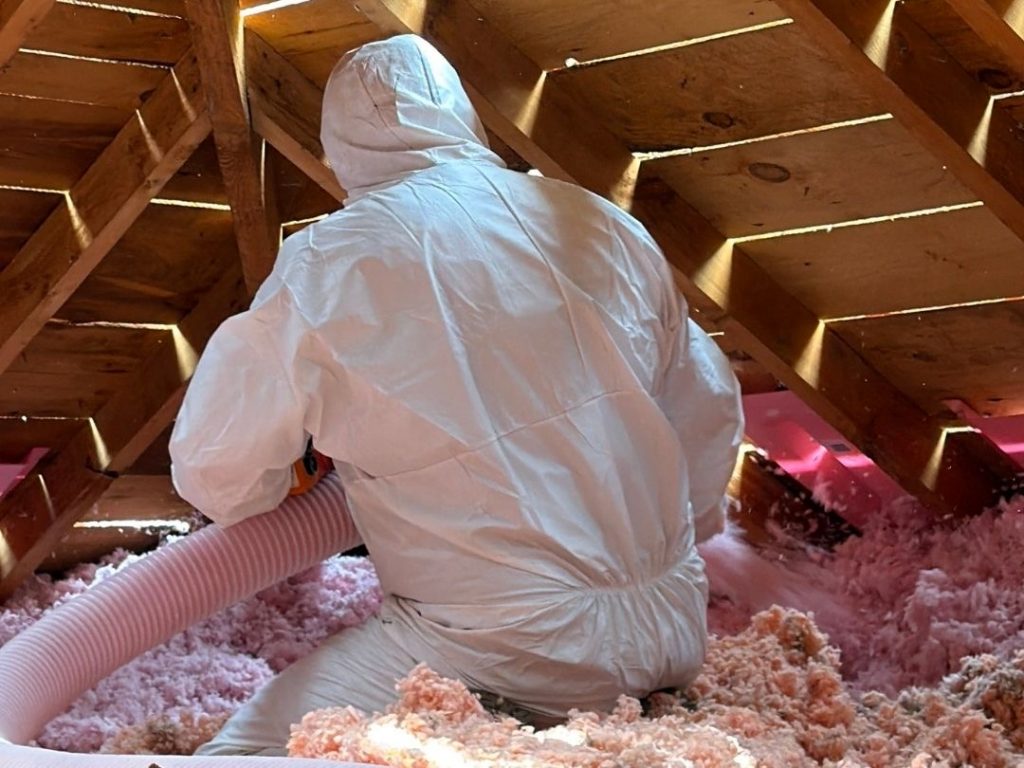
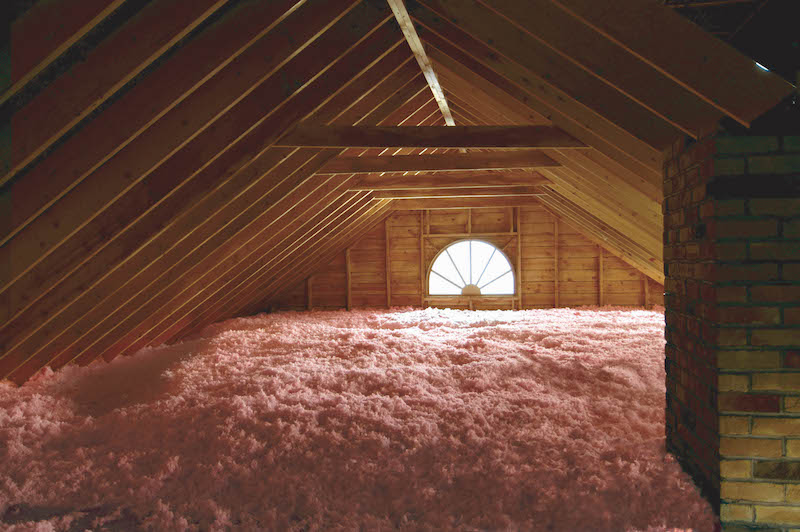
We blow Owens Corning ProPINK Fiberglas Attic Insulation to an industry-leading R-60 depth (roughly 22 inches).
Why Blown-In Fiberglas? Unlike rigid batts, blown-in loosefill seamlessly covers oddly shaped corners, fills gaps around electrical wiring and trusses and provides a custom-fit thermal seal.
Rising heat and vapor escape safely through premium Canplas Ventilation Products (including PROVentilator, PROTurbo, Ridge Roll, and Square Top options) to maintain balanced attic pressure.
Our 5-Step Precision Insulation & Ventilation Process
Every attic project is executed with scientific accuracy, clean containment and strict quality control. This ensures that at the end of the job, your attic is performing the way it’s designed and your energy consumption reduces.
Scientific Diagnostic Assessment
First, FLIR thermal scans help locate hidden insulation gaps and air leaks. Next, moisture meters identify excess humidity or possible water intrusion. Finally, camera inspections reveal airflow concerns in tight attic spaces. As a result, we can recommend the right blown-in attic insulation and ventilation improvements for your home.
Air Sealing & Hatch Insulation
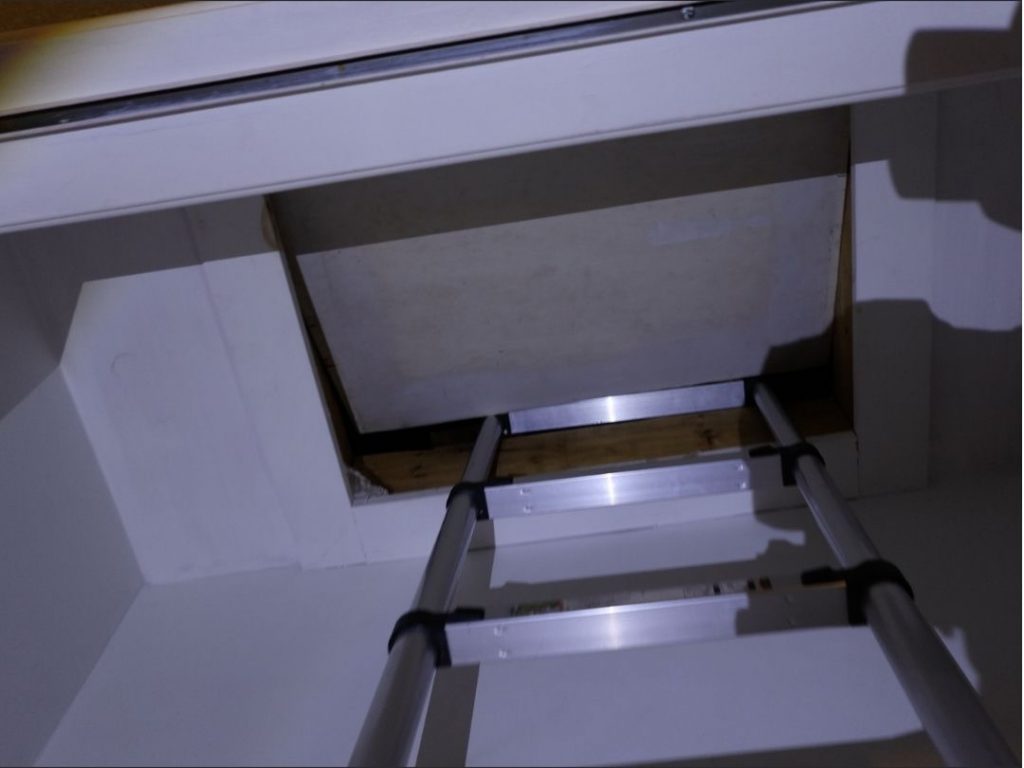
First, we seal ceiling gaps, wall top plates and openings around electrical fixtures. Next, we insulate and weather-seal the attic hatch. As a result, warm air stays inside your living space instead of escaping into the attic. Therefore, your blown-in attic insulation can provide more effective thermal protection.
Ventilation & Intake Baffle Prep
Next, we install Owens Corning Raft-R-Mate baffles at the eaves to help keep intake airflow clear. Meanwhile, we position Canplas exhaust vents on the roof deck to release excess heat and moisture. As a result, both components create more balanced attic airflow and help your blown-in attic insulation perform effectively.

Precision Blown-In Insulation to R-60
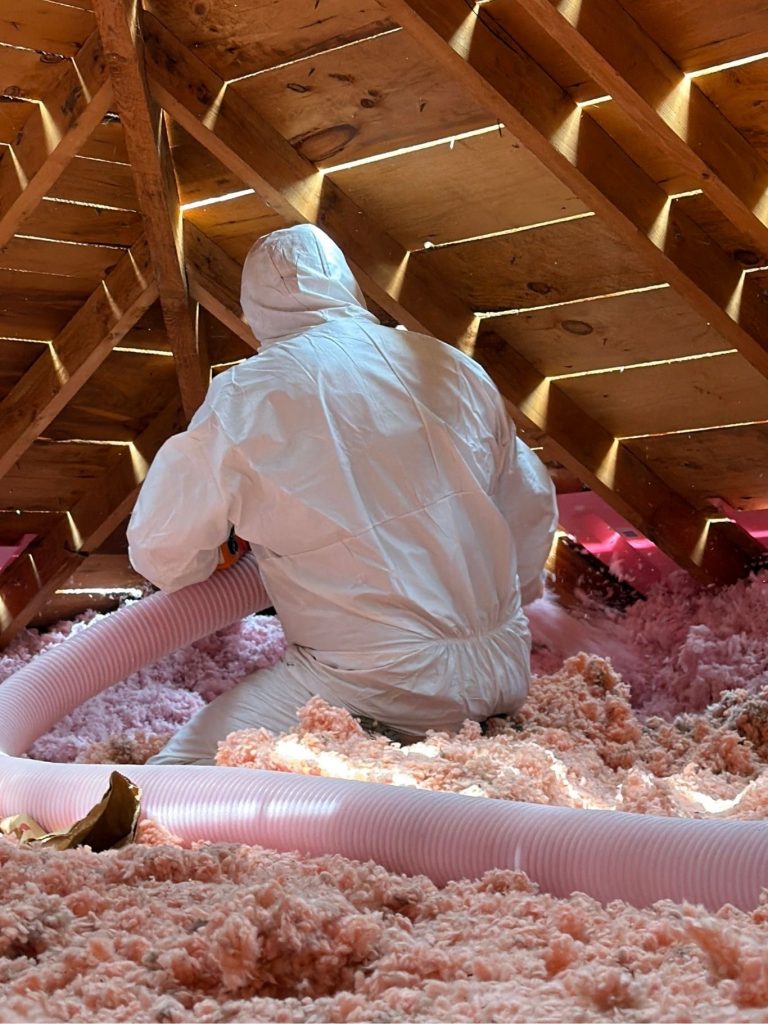
Finally, we install Owens Corning ProPINK loose-fill insulation throughout the attic. In addition, we create a uniform 22-inch blanket for consistent coverage. As a result, the blown-in attic insulation fills hard-to-reach corners and creates a more effective thermal barrier.
Post-Installation Clean-Up, Thermal Audit & Walkthrough
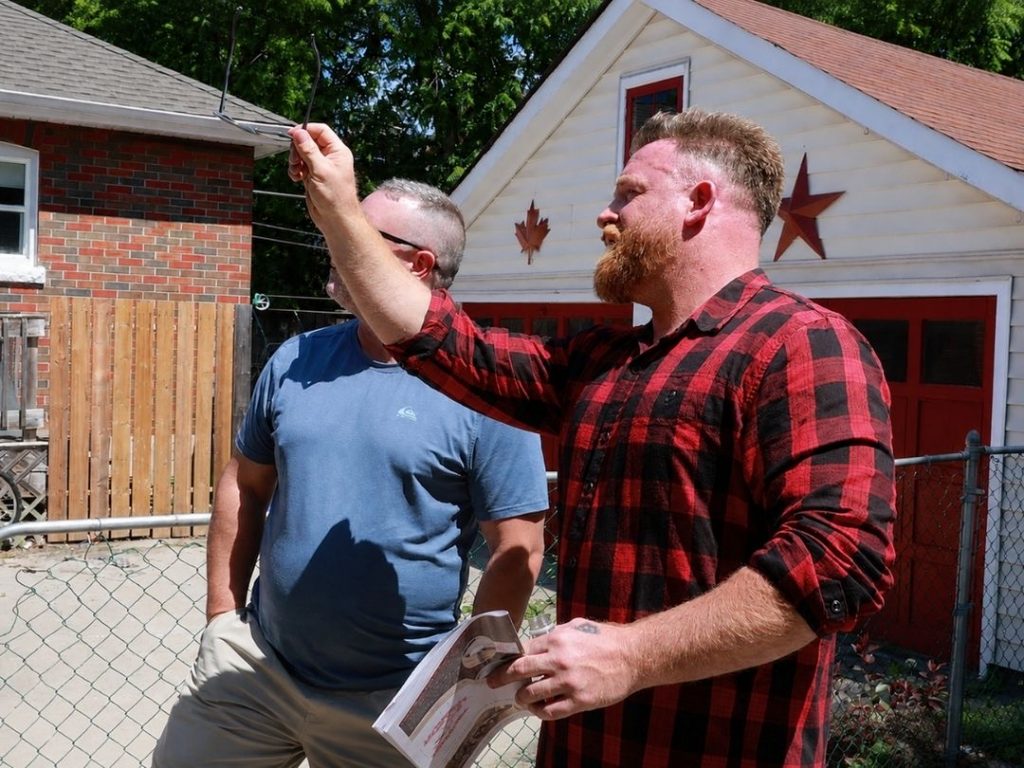
Finally, we complete a thorough site cleanup and remove all installation debris. Next, we perform a post-installation thermal scan to confirm consistent coverage. Then, we review the photographic inspection report with you. As a result, you receive clear documentation of your blown-in attic insulation project.


Frequently Asked Questions
Homeowners typically see a 10% to 50% reduction in heating and cooling costs after upgrading their attic insulation and sealing air leaks. By preventing heat from escaping in winter and stopping attic heat from radiating downward in summer, your HVAC system runs far more efficiently.
While standard Ontario building codes specify lower minimums, installing R-60 (roughly 22 inches) of Owens Corning ProPINK insulation provides optimal thermal resistance for severe Central Ontario winters. It ensures long-term energy savings and maximum protection against heat loss. Additionally, it has a more custom coverage to fit into all the unique angles of your attic, resulting in total coverage.
Ice dams occur when heat escapes into the attic and melts snow on the roof deck, which then refreezes at the unheated eaves. By combining R-60 thermal insulation with Canplas exhaust vents and Raft-R-Mate intake baffles, your attic stays cold and at ambient outside temperatures, stopping snow melt and ice formation.
Blown-in Owens Corning ProPINK Fiberglas creates a seamless, continuous thermal blanket. Unlike cut batts, which leave gaps around wiring, pipe penetrations, and irregular truss shapes, loosefill fills every gap and odd corner completely for zero thermal bridging.
We use premium manufacturer materials, including Owens Corning ProPINK Fiberglas Attic Insulation, Owens Corning Raft-R-Mate Under Deck Vents, and Canplas Ventilation Products (PROVentilator, PROTurbo, Ridge Roll, and Square Top options).
Upgrade Your Home with Ontario’s
Trusted Attic Insulation Experts
Serving Central Ontario — From Barrie to Muskoka and Beyond
Ainger Group operates roofing and exterior service teams out of multiple locations across Central and Southern Ontario: Barrie, Collingwood, Thornbury, Meaford, Orillia, Midland, Tiny Township, Penetanguishene, Huntsville, Parry Sound, Bracebridge, Gravenhurst, Newmarket, and surrounding communities throughout Simcoe County, Grey County, and the District of Muskoka. Ainger Group is not a franchise or a call centre dispatch model — every crew is locally based, and every project is managed by an assigned Pre-Project Concierge and Project Manager with direct accountability to the homeowner.