Fire-resistant roofing materials can help protect your home from flames, heat and wind-blown embers. While no roof is fireproof, the right roofing system can reduce its risk of ignition.
However, the exterior roofing material is only one part of that protection. The roof deck, underlayment, vents and installation method also influence fire performance.
Ainger Group Roofing and Exteriors helps Barrie homeowners explore practical home protection strategies. Therefore, homeowners should consider fire performance when planning a roof replacement.
Why Fire-Resistant Roofing Materials Matter
Wildfires can threaten homes through direct flames, radiant heat and burning embers. However, embers often travel beyond the main fire area.
These embers can land on roofs, inside gutters or near roof openings. As a result, dry debris and vulnerable roofing components may ignite.
Fire-resistant roofing materials can slow ignition and reduce flame spread. However, they cannot guarantee that a home will survive every fire.
Therefore, homeowners should combine suitable roofing with regular maintenance and emergency planning.
How Fire Can Reach Your Roof
Several types of fire exposure can affect a roofing system.
Wind-Blown Embers
Strong winds can carry burning embers over long distances. These embers may collect in roof valleys, gutters and gaps around roof components.
Therefore, keeping these areas clean can reduce combustible material near your roof.
Direct Flames
Nearby trees, fences or structures can expose a roof to direct flames. Flames may then ignite vulnerable roofing or wooden exterior components.
Radiant Heat
An intense nearby fire can produce enough heat to damage roofing materials. However, radiant heat can also affect windows, siding and other surfaces.
Understanding Class A, B and C Roof Ratings
Fire ratings describe how complete roof assemblies perform during standard fire tests. In Canada, contractors and manufacturers may reference the CAN/ULC-S107 testing standard.
The three main classifications include:
- Class A: Offers the highest resistance among the three classifications
- Class B: Offers moderate resistance
- Class C: Offers a lower level of resistance
However, homeowners should not judge a product by its base material alone. The classification can depend on the complete tested assembly.
For example, the deck, underlayment and installation method may affect the final rating. Therefore, always check the manufacturer’s documentation for the specific roofing system.
Types of Fire-Resistant Roofing Materials
Several roofing products can form part of a fire-rated assembly. However, each option has different costs, installation needs and design features.
Fire-Rated Asphalt Shingles
Asphalt shingles remain a popular choice for Barrie homes. They offer familiar designs, broad colour selections and practical installation options.
Many asphalt shingle systems can achieve a Class A rating. However, homeowners must confirm the rating of the complete product and assembly.
Additionally, shingles require proper installation to provide their intended protection. Damaged, lifted or missing shingles can leave vulnerable areas exposed.
Metal Roofing
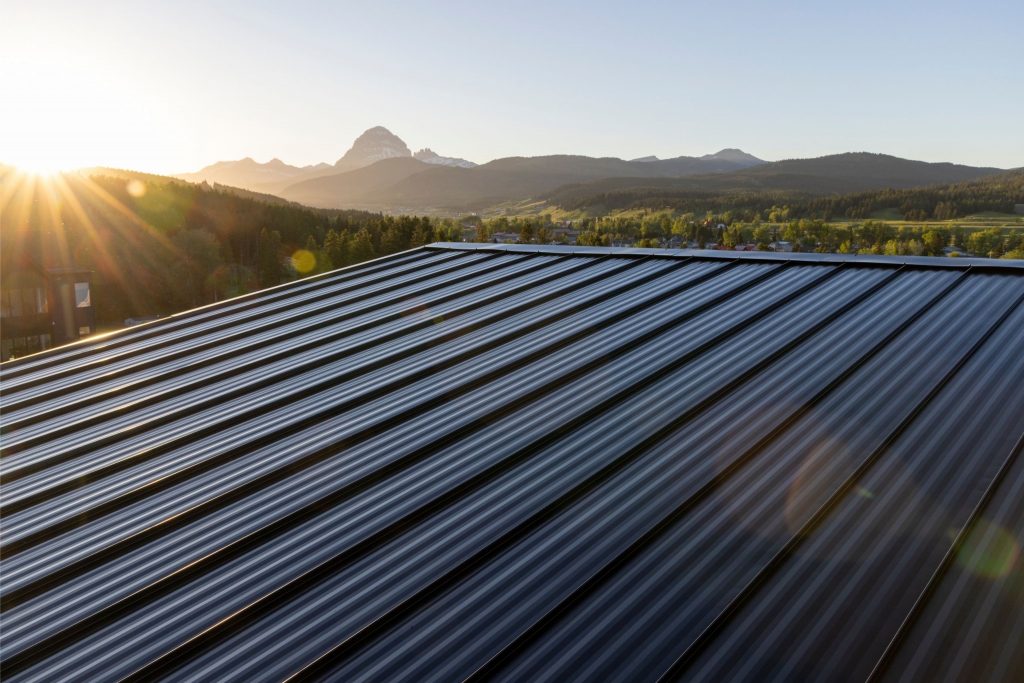
Metal does not ignite, making it a strong option for fire-conscious homeowners. Additionally, metal roofs offer durability and resistance to many weather conditions.
However, a metal panel alone does not determine the roof’s classification. The underlayment, roof deck and complete installation still matter.
Therefore, ask your contractor to confirm the tested fire rating of the proposed system.
Clay and Concrete Tiles
Clay and concrete tiles can provide strong resistance to flames and embers. They also offer a distinctive appearance and a long service life.
However, these tiles add considerable weight to a roof. A professional must confirm that the home can support that weight.
Furthermore, contractors must install the tiles correctly to avoid gaps that can collect embers.
Slate Roofing
Natural slate does not burn and can offer excellent fire resistance. Additionally, slate provides a distinctive appearance and exceptional durability.
However, slate costs more than many common roofing products. It also requires specialized installation and adequate structural support.
Fire-Rated Composite Roofing
Some composite roofing products carry tested fire ratings. These products may imitate slate, wood or other traditional materials.
However, performance varies between manufacturers and product lines. Therefore, review the documentation before selecting a composite system.
How to Choose Fire-Resistant Roofing Materials
The best material depends on more than its fire rating. Homeowners should also consider Barrie’s weather, their roof structure and their budget.
Confirm the Complete Roof Rating
First, ask for documentation showing the fire classification. Next, confirm that the rating applies to the entire proposed assembly.
Do not assume that every metal, asphalt or tile product carries the same rating.
Consider Barrie’s Climate
Barrie roofs must handle snow, ice, wind, rain and changing temperatures. Therefore, choose a system that suits local weather throughout the year.
Fire performance matters, but the roof must also provide reliable protection during Ontario winters.
Review Structural Requirements
Heavy materials may require additional structural support. Consequently, a professional should inspect the roof before recommending tile or slate.
Compare Lifespan and Maintenance
Some materials cost more initially but may offer a longer service life. However, every roofing system requires inspections and routine maintenance.
Consider Your Home’s Appearance
Fire-resistant roofing materials come in many colours, profiles and styles. Therefore, homeowners can improve protection without ignoring curb appeal.
Fire Resistance and Summer Energy Performance
Fire resistance and heat reflectivity describe different roofing features. A fire rating measures performance during specific fire tests.
In contrast, solar reflectance describes how much sunlight a surface reflects. Research into the solar reflectance of cool roofing materials examines this separate performance feature.
Therefore, a reflective roof is not automatically fire-resistant. Likewise, a fire-rated roof may not provide the highest solar reflectance.
Homeowners should evaluate both features when summer comfort and fire protection matter.
Professional Installation Protects Roof Performance
Even quality materials can underperform after poor installation. Therefore, an experienced roofing contractor should follow the manufacturer’s specifications.
Professional roofers can:
- Inspect the existing roof deck
- Recommend a suitable roofing system
- Install the correct underlayment
- Secure roofing materials properly
- Protect vulnerable roof edges
- Install flashing around roof openings
- Confirm ventilation requirements
- Review applicable building requirements
Additionally, professional installation may help protect manufacturer warranty coverage.
Maintaining a Fire-Resistant Roof
Regular maintenance helps preserve your roofing system. Therefore, inspect your roof and surrounding property throughout the year.
Remove Leaves and Debris
Leaves, pine needles and branches can collect in gutters and roof valleys. When this material dries, it may provide fuel for burning embers.
Therefore, arrange regular gutter and roof cleaning from a safe location.
Repair Roof Damage Promptly
Missing shingles, damaged flashing and open gaps can weaken your roof. Additionally, these areas may allow embers or moisture to enter.
A professional should repair roofing damage as soon as possible.
Inspect Vents and Roof Openings
Roof vents support healthy attic airflow. However, damaged or unsuitable vents may create vulnerable openings.
Never block required ventilation while attempting to improve fire resistance. Instead, ask a professional about suitable venting options.
Trim Nearby Trees
Overhanging branches can drop leaves and debris onto your roof. They may also create additional hazards during storms or fires.
Therefore, keep nearby trees properly maintained and remove dead vegetation.
Other Ways to Improve Fire Protection
A fire-resistant roof cannot protect every part of your property. Consequently, homeowners should take a broader approach.
Consider the following precautions:
- Keep gutters and roof valleys clear
- Remove dry vegetation near the home
- Store firewood away from the building
- Maintain soffits, fascia and siding
- Keep emergency supplies accessible
- Create a household evacuation plan
- Follow instructions from local emergency officials
Additionally, review your plan with every household member. Clear preparation can save valuable time during an emergency.
Fire-Resistant Roofing and Home Insurance
Some insurers may consider roofing materials when assessing a property. However, discounts and coverage rules vary between insurance providers.
Therefore, contact your insurer before choosing a new roof. Ask whether a specific fire rating could affect your policy or premium.
Keep copies of product information, warranties and installation records. This documentation may help confirm the roofing system used on your home.
Frequently Asked Questions
What are fire-resistant roofing materials?
Fire-resistant roofing materials form part of a system designed to resist ignition and flame spread. Examples may include asphalt shingles, metal, tile, slate and certain composite products.
However, the complete roof assembly determines the tested classification.
Which roof fire rating offers the strongest protection?
Class A represents the highest level among Class A, B and C roof classifications. However, homeowners should confirm the complete assembly rating with their contractor.
Is metal roofing completely fireproof?
Metal does not burn, but no roofing system makes a home completely fireproof. Additionally, underlayment, decking, openings and nearby materials can affect overall protection.
Are all asphalt shingles fire-resistant?
No. Fire performance varies between products and complete roofing systems.
Therefore, check the manufacturer’s documentation before choosing asphalt shingles.
Do fire-resistant roofs require maintenance?
Yes. Homeowners must keep gutters and roof valleys clear. They should also repair damaged roofing and flashing promptly.
Will fire-resistant roofing lower my insurance costs?
Possibly, but insurance policies vary. Therefore, ask your provider whether a fire-rated roofing system qualifies for any benefits.
Can I install a fire-resistant roof myself?
Roof installation requires training, safety equipment and product knowledge. Furthermore, mistakes can affect performance, warranties and code compliance.
Therefore, hire a qualified roofing contractor for installation.
Protect Your Home With Fire-Resistant Roofing Materials
Fire-resistant roofing materials can add an important layer of protection to your Barrie home. However, homeowners must choose a properly tested and installed roofing system.
Ainger Group Roofing and Exteriors can inspect your roof and explain suitable replacement options. Our team considers fire performance, local weather, durability and your home’s design.
Contact Ainger Group Roofing and Exteriors to discuss fire-resistant roofing materials for your Barrie home.