
A post-winter roof inspection in Barrie can uncover damage caused by snow, ice, wind and changing temperatures. Finding these problems early may help prevent leaks during spring rainfall.
However, homeowners should inspect roofing from the ground and other safe locations. A professional roofer can assess areas that require elevated access or specialized training.
Why a Post-Winter Roof Inspection in Barrie Matters
Barrie winters expose roofing systems to harsh conditions. For example, freeze-thaw cycles can affect shingles, flashing and roof edges.
Heavy snow may also place added weight on the roof. Meanwhile, ice dams can direct water beneath vulnerable roofing materials.
As spring arrives, melting snow and rain may reveal problems that remained hidden throughout winter. Therefore, an inspection can help you prepare for changing weather.
Learn more about how winter weather can affect your roof.
Start Your Post-Winter Roof Inspection From the Ground
Begin by walking around your property after the snow has melted. However, do not climb onto the roof.
Use binoculars or a camera zoom to examine the roofline. Look for:
- Missing or displaced shingles
- Cracked or lifted shingles
- Uneven roof sections
- Damaged flashing
- Loose roof vents
- Debris in roof valleys
- Branches resting on the roof
- Damaged gutters
- Loose soffit or fascia
- Roofing pieces around the property
Additionally, compare each roof section for visible changes. A professional should investigate anything that looks unusual.
Check Shingles During Your Post-Winter Roof Inspection
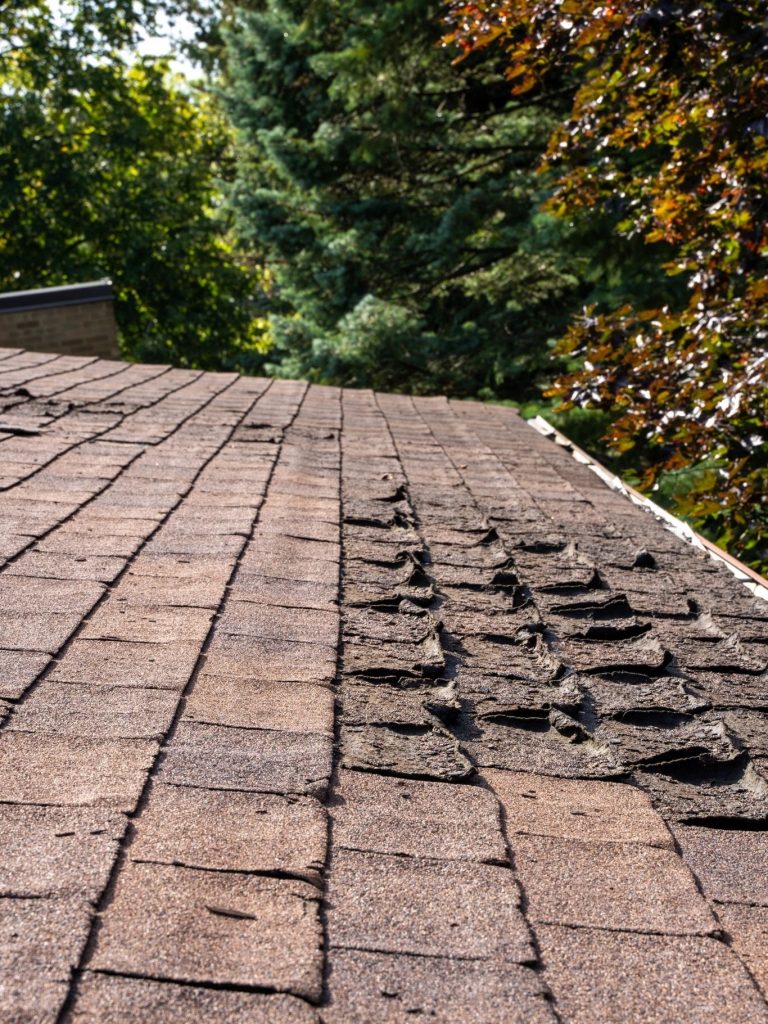
Asphalt shingles can become stiff during cold weather. Additionally, strong winds may loosen or remove shingles during winter storms.
- Missing shingles
- Lifted edges
- Cracks or splits
- Curled corners
- Exposed roof areas
- Uneven shingle lines
- Shingle pieces in the yard
You may also notice granules near downspouts after the snow melts. Some granule loss occurs naturally, especially on newer roofs.
However, large amounts may indicate aging or storm damage. A roofer can determine whether the shingles need repair or replacement.
Examine Flashing and Roof Openings
Flashing helps direct water away from chimneys, vents, skylights and roof intersections. However, ice and changing temperatures can affect these areas.
From the ground, look for loose metal, visible gaps or shifted materials. Next, inspect interior areas beneath roof openings.
Pay special attention to:
- Chimneys
- Skylights
- Plumbing vents
- Exhaust vents
- Roof valleys
- Wall-to-roof intersections
- Satellite or equipment attachments
Damaged flashing can create hidden leaks during spring rain. Therefore, arrange repairs promptly when you notice a concern.
Check the Roofline for Sagging or Movement
A roofline should appear straight and consistent. Visible dips, curves or sagging areas may indicate structural or moisture problems.
Additionally, heavy winter accumulation may worsen existing weak areas. Changes in the roofline require immediate professional assessment.
Other warning signs may include:
- New ceiling cracks
- Unusual creaking sounds
- Doors or windows that suddenly stick
- A visibly uneven roof surface
- Sagging roof decking inside the attic
Do not enter an area beneath a roof that appears unstable. Instead, contact a professional promptly.
Inspect Gutters During Your Barrie Spring Roof Inspection
Winter snow and ice can loosen gutters or pull them away from the fascia. Additionally, debris may block drainage as spring rain begins.
Inspect visible components for:
- Sagging gutter sections
- Loose fasteners
- Detached downspouts
- Leaking seams
- Bent or cracked materials
- Debris buildup
- Water stains on fascia
- Soil erosion below downspouts
Gutters should direct water away from your roof and foundation. However, drainage needs depend on your property’s grading and design.
Never use an unstable ladder to clean or inspect gutters. A professional can safely reach elevated drainage components.
Check Soffit and Fascia for Winter Damage
Soffit and fascia protect the roof edge and support ventilation and drainage components. However, ice and trapped moisture may damage these areas.
Look for peeling paint, water stains or loose panels. Additionally, watch for gaps that could allow birds or animals into the attic.
Soft or rotting wood may indicate ongoing moisture exposure. Therefore, ask a roofing professional to identify the source before replacing damaged materials.
Complete an Interior Roof Inspection
Not every roofing problem appears outside. Therefore, include your attic, ceilings and upper walls in your post-winter roof inspection.
Inspect Accessible Attic Areas
Enter the attic only when you can do so safely. Then, look for:
- Damp or compressed insulation
- Dark marks on the roof deck
- Water stains around vents
- Rusted fasteners
- Musty odours
- Visible mould
- Condensation
- Dripping water
- Changes in the roof deck
Daylight near soffit or roof vents may represent intentional airflow. Therefore, do not seal any openings without professional advice.
However, visible gaps in damaged decking require further assessment.
Check Ceilings and Upper Walls
Water can travel along rafters and insulation before entering your living space. As a result, a ceiling stain may not sit beneath the roof opening.
Look for:
- Yellow or brown stains
- Peeling paint
- Bubbling finishes
- Bulging drywall
- Musty smells
- New cracks
- Dripping water
A small stain does not always mean the leak is minor. Therefore, schedule an inspection before another period of heavy rain.
Avoid wet electrical fixtures and wiring. Additionally, contact the appropriate professional if water reaches electrical components.
Review Attic Insulation and Ventilation
Insulation and ventilation help manage attic temperature and moisture. However, winter conditions may expose weaknesses in either system.
Look for blocked vents, damp insulation and signs of condensation. Additionally, check whether insulation has shifted away from important areas.
Do not block soffit vents when adding insulation. Instead, maintain a clear path for intake and exhaust airflow.
A professional can determine whether attic conditions contribute to condensation or ice damming.
Check for Tree and Debris Damage
Winter wind and snow can break branches above your roof. Additionally, fallen debris may crack shingles or block roof valleys.
Inspect nearby trees for broken or hanging limbs. However, hire a qualified tree professional for elevated work or branches near electrical lines.
Do not pull large branches from the roof yourself. Their weight may damage roofing materials or create an injury risk.
When to Schedule a Professional Roof Inspection
Homeowners can identify several warning signs from the ground. However, many roofing problems require a closer professional assessment.
Arrange service if you notice:
- Active water entering your home
- Missing or damaged shingles
- Loose flashing
- A sagging roofline
- Damp attic insulation
- Visible roof deck damage
- Damaged gutters or fascia
- Large amounts of shingle granules
- Recurring ice dams
- Storm debris on the roof
Additionally, consider an inspection if your roof experienced severe winter weather.
A professional residential roofing contractor can determine whether your roof needs maintenance, repairs or further monitoring.
What Does a Professional Post-Winter Roof Inspection Include?
The exact inspection depends on your roofing system and property. However, a professional may review:
- Shingle condition
- Roof edges and valleys
- Flashing and roof penetrations
- Gutters and downspouts
- Soffit and fascia
- Visible roof deck conditions
- Attic moisture
- Insulation and ventilation
- Signs of leaks
- Storm or ice damage
Afterward, the contractor should explain any concerns and recommend practical next steps.
Frequently Asked Questions
Schedule it after most snow and ice have melted. However, contact a roofer sooner if you notice leaks or structural warning signs.
Yes. Use binoculars or a camera zoom from the ground. Additionally, inspect accessible attic areas and interior ceilings.
No. However, an inspection can confirm whether winter weather caused visible damage or exposed existing problems.
No. Plumbing, condensation and other moisture sources can cause stains. Therefore, a professional should identify the source before repairs begin.
Do not pressure-wash or aggressively scrape roofing materials. Instead, follow the manufacturer’s instructions or consult a roofing professional.
Yes. Ice dams can direct water beneath roofing materials and damage roof edges. They may also signal insulation or ventilation concerns.
Schedule a Post-Winter Roof Inspection in Barrie
A professional post-winter roof inspection in Barrie can identify damage before spring rainfall makes it worse. Prompt repairs may also help protect your attic and interior finishes.
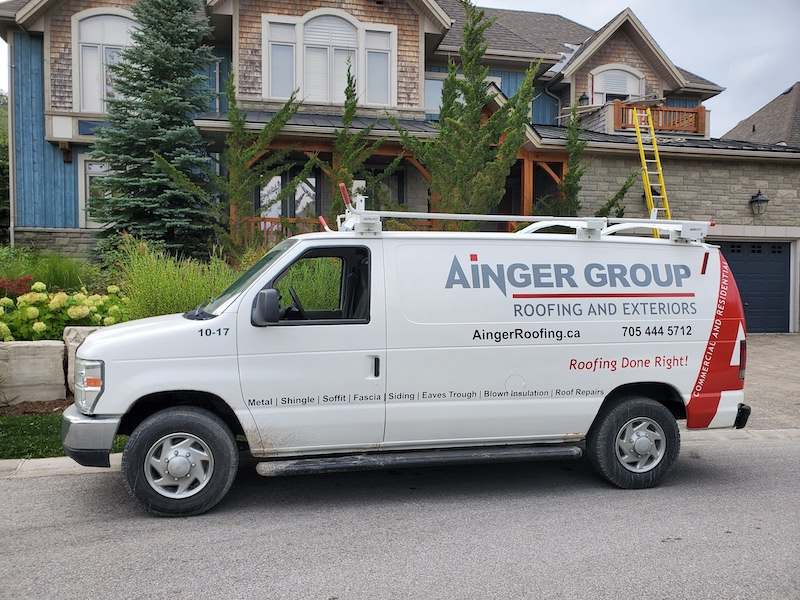
Ainger Group Roofing and Exteriors can assess your roofing system and recommend appropriate next steps.
Contact Ainger Group Roofing and Exteriors to schedule your post-winter roof inspection in Barrie.