Replacing a roof is a significant investment for any homeowner. It not only enhances the aesthetic appeal of your home but also provides essential protection against the elements. Understanding the costs involved can help you make informed decisions and plan your budget effectively. This guide will walk you through the factors that influence roof replacement costs, the different types of roofing materials available, and tips to ensure you get the best value for your investment. Making an informed choice can save you from unexpected financial burdens and ensure your home remains safe and secure for years to come.
Several factors can affect the cost of replacing your roof. It’s crucial to understand these elements to anticipate potential expenses accurately. By understanding these factors, you can better negotiate with contractors and choose the options that best fit your budget and needs. Here, we delve into the primary considerations that will impact your overall expenditure.

The size of your roof is one of the most significant factors in determining replacement costs. Roofers typically charge per square foot, so the larger the roof, the more expensive the replacement will be. To calculate your roof’s size, measure its length and width, then multiply those numbers to get the area. Additionally, consider that larger roofs may require more materials and labor, which can also affect the timeline of the project. Understanding the precise size of your roof will help you obtain more accurate estimates and avoid unexpected costs.

The pitch, or steepness, of your roof, can also influence costs. Steeper roofs are more challenging to work on and may require additional safety equipment, which can increase labour costs. Similarly, complex roof designs with multiple valleys, dormers, or gables can increase the time and effort required for replacement, impacting the overall cost. Furthermore, intricate designs might necessitate specialized skills or tools, which can further drive up expenses. Understanding the intricacies of your roof’s design will help you assess the level of expertise required and choose a contractor equipped to handle the job efficiently.
The type of roofing material you choose significantly affects the total cost. Asphalt shingles are the most affordable option, while materials like slate, tile, or metal can be more expensive. Each material has its pros and cons, which we’ll explore in more detail later. It’s essential to weigh the initial costs against long-term benefits, such as durability and maintenance requirements, to make a well-informed decision. Consider the climate in your region and your home’s architectural style when selecting a roofing material, as these factors can influence performance and aesthetic appeal.
Labor costs can vary depending on your location and the roofing contractor you choose. It’s essential to get multiple quotes from reputable contractors to ensure you’re getting a fair price. Remember, the cheapest option isn’t always the best; consider the contractor’s experience and reputation. Furthermore, seasoned contractors may offer insights and suggestions that can enhance the longevity and performance of your new roof. Be sure to ask potential contractors about their experience with your chosen roofing material and any additional services they provide, such as warranties or maintenance packages.
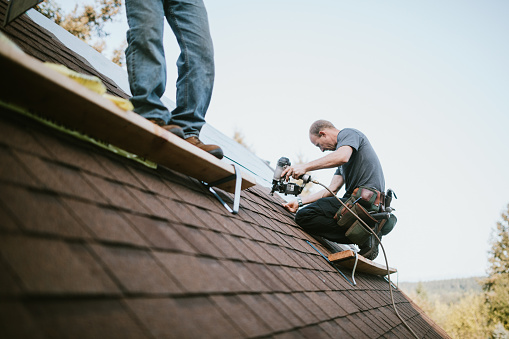
Before installing a new roof, the old one often needs to be removed. This process can add to the overall cost, especially if there are multiple layers of old shingles or underlying issues like rot or damage that need addressing. The removal process can also reveal hidden structural problems that must be fixed before the new roof can be installed. These additional repairs can increase the project’s cost and duration, so it’s wise to prepare for potential contingencies.
Depending on your location, you may need permits to replace your roof. These permits can add to the total cost, and inspections might be required to ensure the work meets local building codes. Obtaining the necessary permits can prevent legal issues down the line and ensure your roof replacement is up to standard. Be sure to check with your local government or a knowledgeable contractor about the specific requirements in your area to avoid any delays or fines.
Choosing the right roofing material is crucial as it impacts both the cost and longevity of your new roof. The material you choose will also influence your home’s energy efficiency, maintenance needs, and overall aesthetic. Here are some common options, each with its unique benefits and drawbacks, to help you make an informed choice.
Asphalt shingles are the most popular roofing material due to their affordability and ease of installation. They come in various styles and colors, making it easy to find a look that complements your home. However, they typically have a shorter lifespan than other materials, lasting around 20-30 years. Despite their lower initial cost, asphalt shingles may require more frequent replacements, which can add up over time. It’s important to consider the climate and environmental conditions in your area, as extreme weather can accelerate wear and tear on asphalt shingles.
Metal roofing is known for its durability and longevity, often lasting 40-70 years. It’s an excellent choice for areas prone to severe weather, as it can withstand high winds and heavy rain. While the upfront cost is higher than asphalt shingles, metal roofs require less maintenance and offer long-term savings on energy bills. Additionally, metal roofing is available in a variety of styles and finishes, allowing homeowners to achieve a modern or traditional look based on their preferences. Metal roofs are also environmentally friendly, as they are typically made from recycled materials and are fully recyclable at the end of their lifespan.
Wood shingles and shakes provide a natural, rustic appearance. They are usually made from cedar, redwood, or pine. While beautiful, they require regular maintenance to prevent rot and insect damage. Wood roofs typically last around 30-40 years. Their aesthetic appeal can significantly enhance your home’s curb appeal, making them a popular choice for homes in natural or rustic settings. However, wood roofing may not be suitable for areas prone to wildfire, as it is more combustible than other materials unless treated with a fire retardant.
Slate and tile roofs are among the most durable options, often lasting over 100 years. They are fire-resistant and require minimal maintenance. However, their high cost and weight mean they may not be suitable for all homes, as some structures may need reinforcement to support the added weight. These materials are ideal for those looking for a long-term roofing solution with minimal upkeep. Additionally, slate and tile come in various colors and styles, providing homeowners with numerous options to achieve a distinctive and elegant look.
To ensure you get the best value for your roof replacement, consider these tips. By taking proactive steps, you can manage costs effectively and avoid common pitfalls associated with roofing projects. These strategies will help you maximize your investment and ensure your new roof meets both your aesthetic and functional needs.
Request quotes from at least three different roofing contractors. This will give you a better understanding of the market rate and help you avoid overpaying. Be sure to compare the scope of work included in each estimate, as some contractors may offer additional services that others do not. Understanding what each quote covers can prevent misunderstandings and ensure you receive the best value for your money. Additionally, discussing your specific needs and budget constraints with contractors can lead to customized solutions that better fit your situation.
Ensure the roofing contractor you choose is licensed, insured, and has a solid reputation. Ask for references and read online reviews to gauge their reliability and quality of work. A reputable contractor will also provide a warranty on their workmanship, giving you peace of mind. Verifying credentials can also help you avoid scams or subpar work that may result in costly repairs or replacements in the future. Take the time to meet with potential contractors and discuss their experience with similar projects to ensure they are the right fit for your needs.
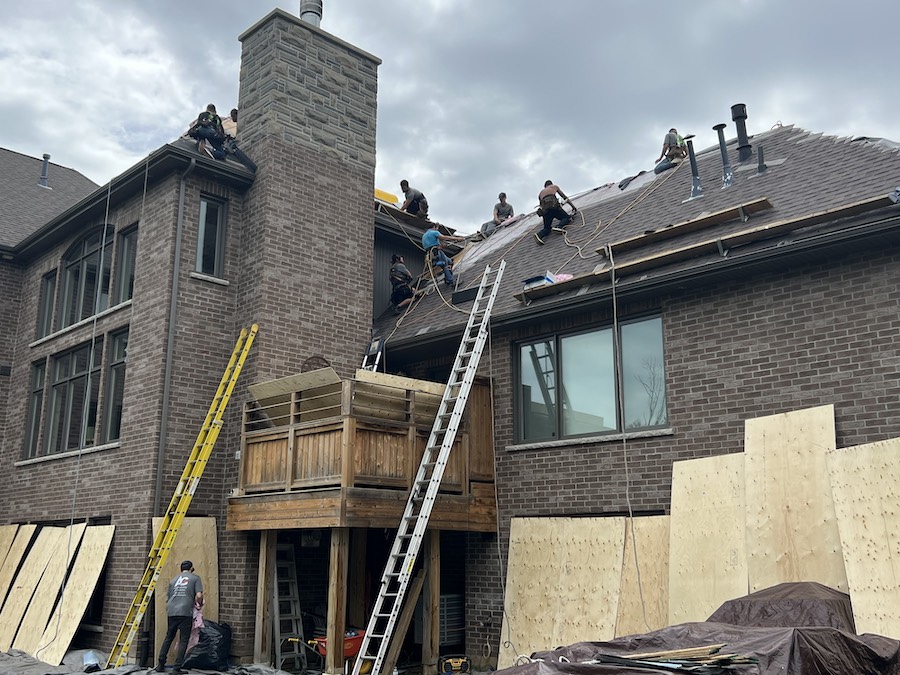
Roof replacements can sometimes uncover hidden issues, such as water damage or structural problems. It’s wise to set aside a contingency fund to cover any unexpected expenses that may arise during the project. Being financially prepared can prevent delays and ensure that all necessary repairs are completed efficiently. Discuss potential challenges with your contractor before the project begins to gain a better understanding of what might arise and how they plan to address any issues.
Roofing demand can fluctuate with the seasons. Scheduling your roof replacement during the off-peak season, such as late winter or early spring, may result in lower costs, as contractors are often more willing to negotiate prices when business is slower. Taking advantage of these periods can lead to significant savings on labor costs and potentially faster project completion times. Be sure to consider local weather conditions when planning your project, as adverse weather can impact both scheduling and the quality of installation.
While asphalt shingles may be the cheapest option upfront, investing in a more durable material like metal or slate can save you money in the long run. These materials typically have longer lifespans and require less maintenance, reducing the need for future repairs or replacements. Consider the total cost of ownership, including energy savings, maintenance, and potential resale value, when choosing your roofing material. A slightly higher initial investment can result in substantial long-term benefits and peace of mind.
Understanding roof replacement costs is essential for making informed decisions about your home improvement project. By considering factors like roof size, pitch, material, and labor costs, you can better plan your budget and choose the right option for your needs. Remember, investing in quality materials and a reputable contractor will pay off in the long run, ensuring your new roof provides protection and value for years to come. With careful planning and consideration, you can achieve a successful roof replacement that enhances your home’s beauty and functionality while staying within your financial means.