
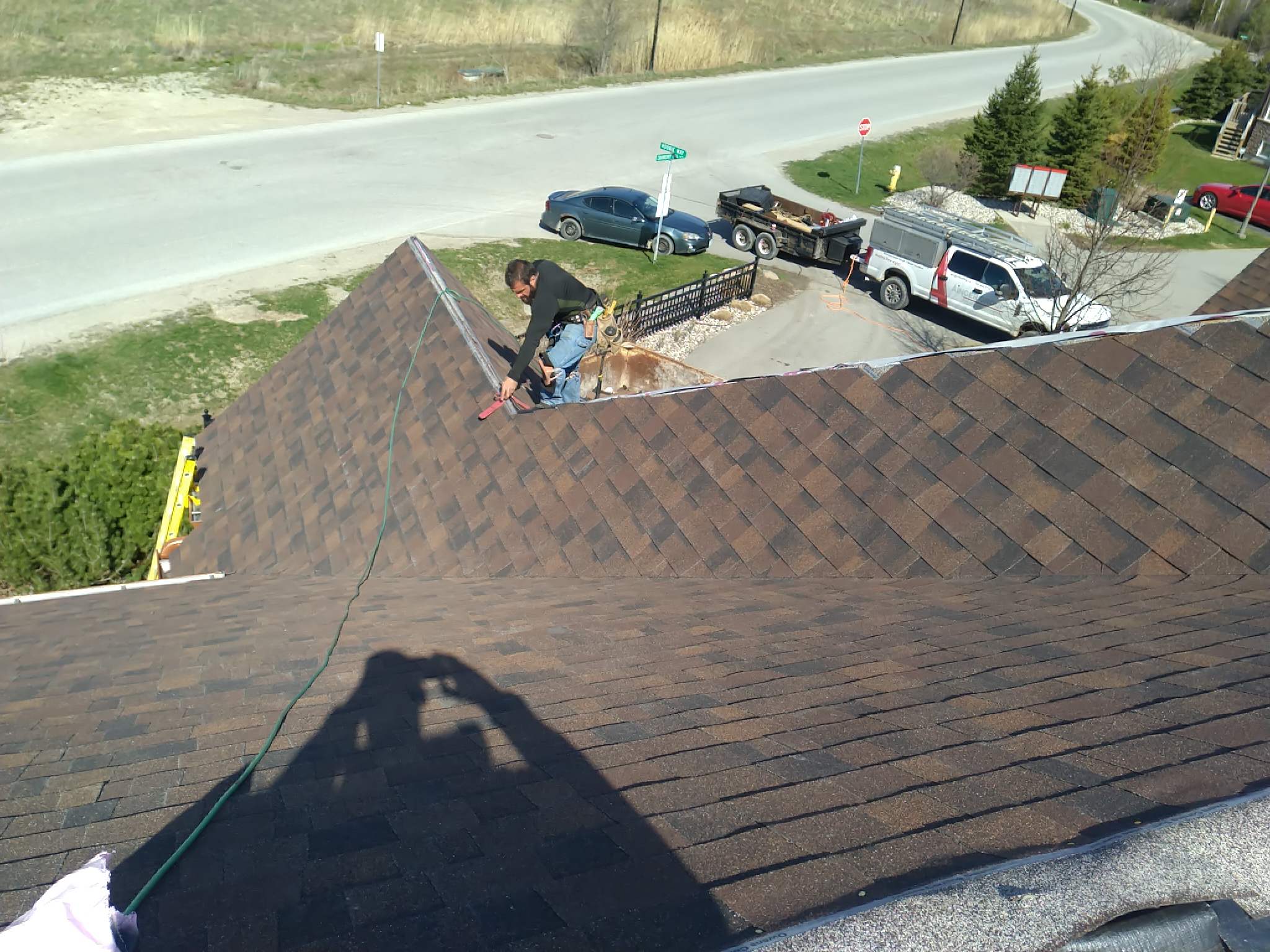
The Challenge of Pest Prevention in Colder Months
When temperatures drop, pests often look for warm, sheltered places to nest. Your attic and roofline can provide easy access if damaged shingles, gaps around vents or unsealed openings allow animals and insects inside. Let dive into how to keep pests out of your attic.
Knowing how to keep pests out of your attic can help protect your insulation, roof structure and indoor comfort throughout the colder months. Use these roof pest prevention tips to help keep unwanted visitors out of your home.
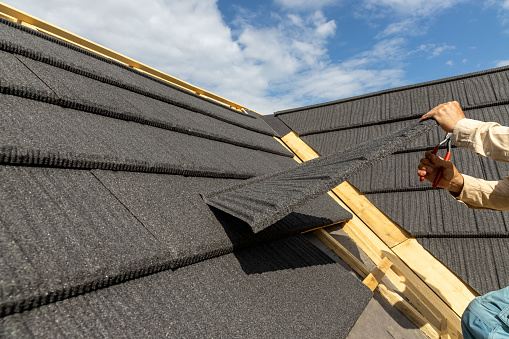
Why Pests Enter Attics During Colder Months
Attics are often warm, quiet and protected from harsh weather, making them attractive to pests such as mice, squirrels, raccoons and insects. Once inside, they can damage insulation, wiring, wood and roofing materials.
Small roof or attic issues can quickly become entry points, which is why regular inspections and timely repairs matter.
Inspect Your Roof and Attic
Start by checking your roof exterior for missing or damaged shingles, loose flashing, gaps near soffits and openings around vents. These areas can provide access to pests.
Inside your attic, look for signs of activity, including:
- Droppings or nesting materials
- Gnaw marks on wood or wiring
- Damaged or disturbed insulation
- Unusual scratching, chirping or movement sounds
Addressing these signs early can help prevent a minor issue from turning into a larger infestation.
Seal Roof and Attic Entry Points
Sealing potential entry points is one of the most effective ways to keep pests out of your attic. Repair damaged roofing materials and close gaps around vents, eaves and attic access points.
Make sure attic vents have secure, properly fitted screens that allow ventilation while helping block animal access. If you believe an animal is already inside your attic, contact a qualified wildlife removal or pest control professional before sealing the opening.
Keep Gutters and Downspouts Clear
Clogged gutters hold leaves, twigs and standing water, which can attract pests and contribute to moisture problems around your roofline. Clean your gutters and downspouts regularly, especially in the fall.
Gutter guards can also help reduce debris buildup and make routine maintenance easier. Keeping water flowing away from your roof protects both your exterior and the areas where pests may try to enter.
Trim Overhanging Tree Branches
Tree branches that touch or hang close to your roof can act as a bridge for squirrels, raccoons and other pests. Trim branches back from the roofline to reduce easy access to your attic and eaves.
Regular tree maintenance also helps prevent branches from damaging shingles during windstorms.
Watch for Signs of a Pest Infestation
In addition to visible damage, pay attention to unusual odours, sounds in the walls or ceiling, and changes to your insulation. These can all indicate that pests have entered your attic.
If you notice signs of an active infestation, arrange pest control or wildlife removal services promptly. Once the pests have been safely removed, a roofing professional can inspect your roofline and repair any damage or openings that allowed access.
Schedule Regular Roof Maintenance
Routine roof maintenance supports long-term pest prevention. A professional inspection can identify damaged shingles, loose flashing, worn sealants and other weaknesses before they create an entry point.
For homeowners in Barrie and Central Ontario, scheduling an inspection before winter can help ensure your roof and attic are ready for colder weather.
FAQs How To Keep Pests Out Of Your Attic
Why do pests seek shelter in attics during colder months?
Pests seek warmth, shelter and a protected place to nest when outdoor temperatures fall. Attics can offer all three when gaps or damaged areas give them access.
What are common pest entry points in a roof?
Common entry points include damaged shingles, gaps around vents, loose soffits, openings near eaves and unsealed attic access points.
Can pests damage roofs and attics?
Yes. Pests can damage insulation, wiring, wood, vents and roofing materials through nesting, chewing and gnawing.
Keep Pests Out of Your Attic With Professional Roof Repairs
A well-maintained roof helps protect your home from weather, moisture and unwanted pests. By inspecting your attic, sealing entry points, maintaining gutters and addressing roof damage quickly, you can reduce the risk of pests entering your home.
If you have concerns about roof damage or potential entry points, contact Ainger Group Roofing and Exteriors for a professional roof inspection and estimate.