
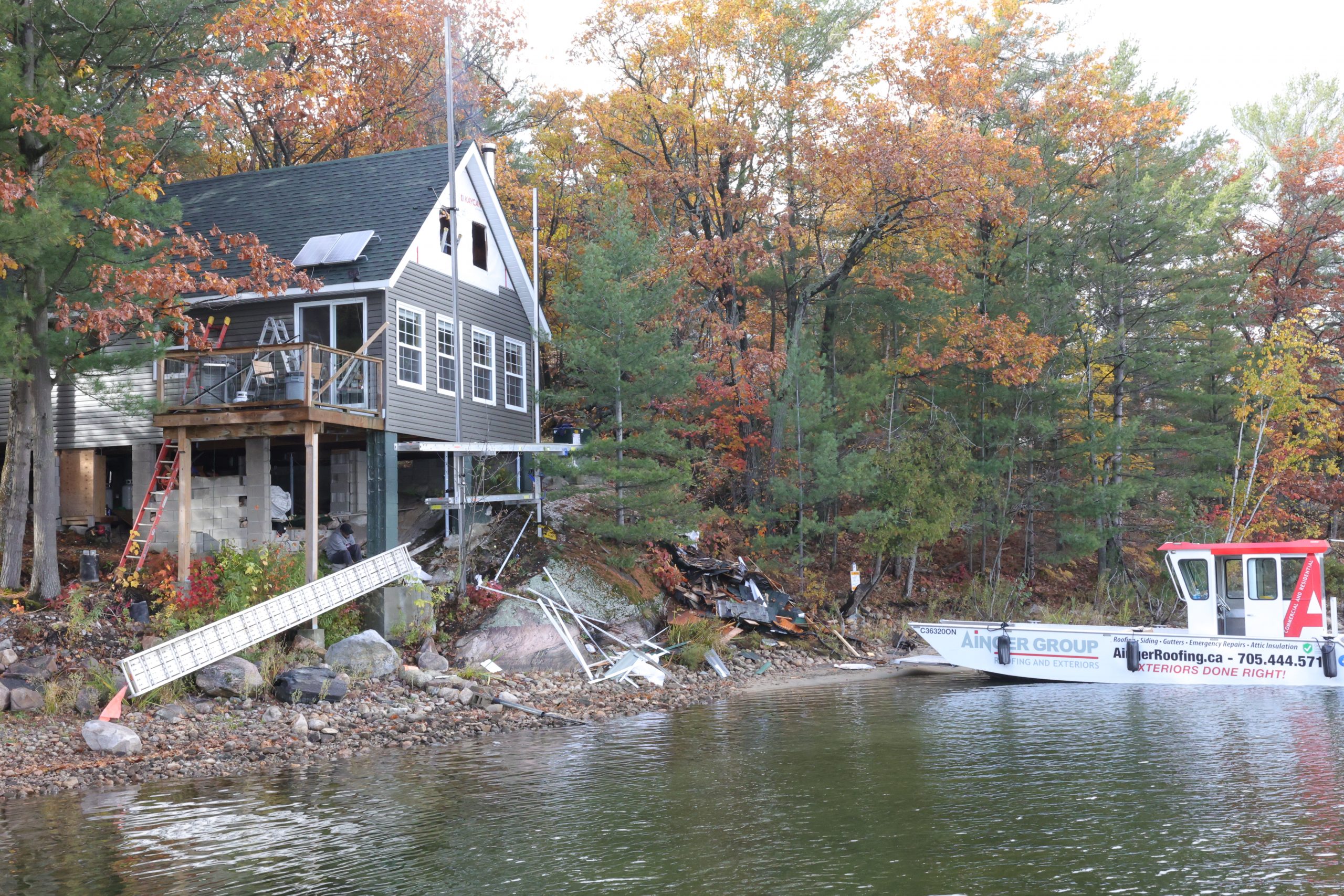
By Michael Ainger, Ainger Group Roofing and Exteriors. This article will discuss roof repair central Ontario and what homeowners should know.
When it comes to the safety and well-being of your home, the integrity of your roof is paramount. Understanding the various aspects of residential roof repair services is essential for any homeowner. This guide aims to help you navigate the process of selecting a professional roof repair company that meets your needs. You will learn about key indicators that suggest you may need roof repairs, how to conduct an effective roof inspection, and what to look for in a roofing contractor. It will also cover the costs associated with roof repair and the best practices for maintaining your roof. With insights drawn from expert recommendations, this article will empower you to make the best decisions for your home.
To choose a professional roof repair company nearby, consider the following comprehensive guide:
Choosing a professional roof repair company can be a daunting task. However, taking the time to evaluate your options can lead to a more successful repair experience. To make the right decision, it’s important to understand the services offered, the company’s reputation, and your specific roofing needs. In addition, consider the contractor’s experience, customer reviews, and the range of services they provide. Ultimately, each of these factors plays a crucial role in ensuring your roofing needs are addressed efficiently and professionally.
Factors to Consider
To effectively evaluate potential roofing companies, homeowners should consider several critical factors, including:
- Experience and Reputation: Check for reviews and testimonials from past clients to gauge the company’s reliability and quality of work.
- Licensing and Insurance: Ensure the contractor possesses the necessary licenses and insurance to protect yourself and your property from liability.
- Warranties and Guarantees: Look for companies that offer warranties on their work and materials, indicating their confidence in providing quality service.
Available Service Options
When exploring roofing services, it’s essential to know what options are available. Many companies provide comprehensive roofing solutions, including:
- Roof Inspections: An essential first step to assess any potential issues and the roof’s overall condition.
- Roof Maintenance: Regular maintenance services can extend the life of your roof and prevent costly repairs down the line.
- Roof Repairs and Replacements: Depending on the damage extent, you may need either repairs or a full roof replacement.
For homeowners seeking reliable services, consider exploring free roof assessments that many companies offer. These assessments are valuable in diagnosing issues early and ensuring preventive measures are taken.
Tips for Evaluating Contractors
When narrowing down potential contractors, consider the following tips to ensure a great fit:
- Seek Recommendations: Ask friends, family, or neighbors for referrals to trustworthy contractors they have used before.
- Check Reviews: Look for online reviews or ratings on platforms to get a sense of past customer experiences with the contractor.
- Ask Questions: Engage potential contractors directly by asking detailed questions about their processes, timelines, and guarantees.
What Are the Key Signs That Indicate You Need Residential Roof Repair?

Identifying when your roof may need roof repair in Central Ontario is crucial in avoiding more extensive damage. Here are key indicators to watch for:
- Visible Roof Damage: Look for missing shingles, cracks, or sagging areas on the roof.
- Water Stains: Interior water stains on ceilings or walls typically indicate leaks needing immediate attention.
- Mold or Mildew Growth: Presence of mold or an unusual increase in moisture in areas can signify roof failure or ventilation issues.
Addressing these signs promptly can save homeowners significant money and stress in the long run.
How to Conduct a Professional Roof Inspection and Identify Common Issues

Conducting an effective roof inspection involves a few key steps:
- Preparation: Gather tools such as a flashlight, ladder, and camera to document findings during your inspection.
- Exterior Inspection: Analyze the roof for visible damage, paying attention to gutters, chimneys, and flashing.
- Interior Inspection: Inspect your attic for water stains or signs of moisture penetration. This can provide critical insights into roof integrity.
Documenting your findings will help you communicate effectively with contractors regarding needed repairs.
What Are the Most Frequent Types of Roof Damage in Central Ontario Homes?
In Central Ontario, roofs face unique challenges due to the local climate. Common types of damage include:
- Ice Dams: The buildup of ice at the roof’s edge can lead to water infiltration and damage when it melts.
- Wind Damage: High winds, especially during storms, can blow off shingles or cause other structural issues.
- Pest Damage: Animals such as raccoons or squirrels can cause unexpected damage if they gain access to roofs.
Understanding these prevalent issues allows homeowners to take preventive steps and prepare for potential repairs.
How to Choose a Professional Roof Repair Company Near Me: Essential Selection Criteria
Selecting a roofing repair company in Central Ontario requires careful consideration of specific criteria to ensure quality work is performed. Important aspects include:
Essential Selection Criteria:
- Licensing: Verifying that the contractor holds the essential licenses in your area.
- Insurance: Ensure that contractors carry appropriate liability insurance to protect yourself if accidents occur during repairs.
- Warranties: Look for coverage that assures you of the durability and quality of both materials and installation work.
Key Qualifications to Look For:
- Experience in handling different types of roofing materials like asphalt, metal, or tile.
- Positive customer reviews reflecting quality service and professionalism.
- A physical business address and contact information that is readily available.
Important Questions to Ask Potential Contractors:
- What is the estimated timeline for completing the job?
- How do you handle unexpected issues that arise during repairs?
- Can you provide references from previous clients?
What Credentials and Licensing Should Roofing Contractors Possess?
Roofing contractors should carry several essential credentials to operate legally and effectively. These include:
- Licenses: A state-specific license allows them to perform roofing work.
- Insurance: Contractors should have general liability insurance and workers’ compensation to cover any accidents or injuries during the job.
- Certifications: Look for additional training or certifications in roofing technologies or safety procedures, as these indicate a commitment to quality practices.
These credentials not only protect you as a homeowner but also reflect the professionalism of the contractor.
Why Is Local Expertise and Responsiveness Critical for Central Ontario Roof Repair Services?
Hiring local contractors enhances your chances of receiving exceptional service for several reasons:
- Familiarity with Local Weather: Local experts understand specific challenges posed by Central Ontario’s climate, such as heavy snowfall or humidity.
- Faster Response Times: Local companies can typically respond to emergencies more quickly, which is vital during severe weather conditions.
- Community Reputation: Established companies tend to create a reputation within the community, and local reviews can provide insights into their performance.
This localized approach can make a significant impact on service quality and efficiency.
What Are the Typical Roof Repair Costs and Financing Options in Central Ontario?
Understanding cost factors associated with roof repairs helps homeowners budget appropriately. Key aspects influencing costs include:
- Roof Size: Larger roofs typically incur higher repair or replacement costs due to the increased labor and materials required.
- Material Type: Different roofing materials vary significantly in cost; for example, metal roofing often commands a higher initial investment compared to asphalt shingles.
- Damage Extent: More extensive damage will naturally require more time and resources to address.
How Does Damage Severity and Roofing Material Affect Repair Pricing?
The severity of damage directly correlates with repair costs. For instance, minor leaks can be fixed quickly and affordably, while significant structural issues may require costly replacements. Additionally, the type of material can significantly impact pricing:
This table highlights how material choice and severity of damage can inform your investment decisions.
What Financing Solutions and Warranties Are Available for Residential Roof Repairs?
Many roofing companies offer financing solutions to help homeowners manage costs effectively. Options often include:
- Payment Plans: Flexible payment arrangements allow for repairs without an overwhelming upfront cost.
- Credit Financing: Credit options for larger projects can help distribute costs over time.
- Warranties on Labor and Materials: Verifying warranties on the repair work and materials ensures that you are protected against future issues.
These financial tools can make necessary repairs more manageable for any homeowner.
What Are Best Practices for Residential Roof Maintenance to Extend Lifespan?
Regular maintenance of your roof is essential in preserving its integrity and prolonging its lifespan. Best practices include:
- Regular Inspections: Conduct routine inspections to identify issues before they escalate into significant problems.
- Cleaning Gutters: Ensure gutters are free from debris to facilitate proper drainage and prevent water damage.
- Removing Overhanging Trees: Trim branches that could damage your roof in severe weather.
Implementing these practices will not only enhance your roof’s longevity but also save on costly future roof repairs in Central Ontario.
Which Seasonal Maintenance Tasks Are Recommended for Central Ontario Climates?
In Central Ontario, seasonal changes bring unique maintenance considerations:
- Winter: Inspect for ice dams and ensure proper insulation to prevent heat loss.
- Spring: Clear debris accumulated during winter and perform a detailed inspection for damage.
- Summer: Check for any new leaks after heavy rains, and maintain ventilation.
- Fall: Prepare your roof for winter by cleaning gutters and trimming back trees.
Keeping abreast of these tasks helps mitigate seasonal wear and preserve roof integrity throughout the year.
How Can Roof Maintenance Synergize with Siding and Insulation Services?
Coordination between roof maintenance and other home improvement services can enhance overall efficiency. For instance:
- Combined Assessments: Home inspections that include roofing, siding, and insulation can identify areas needing attention, helping to streamline repairs and reduce costs.
- Holistic Improvements: Investing in insulation can improve energy efficiency, which, when paired with a well-maintained roof, extends overall home durability.
- Enhanced Aesthetics: Coordinated improvements improve not only function but also the visual appeal of the home.
Working with professionals who understand the interconnectedness of these systems can provide significant long-term benefits.
How Does the Roof Repair Process Unfold from Inspection to Completion?
Understanding the roof repair process is essential for homeowners. The general flow typically includes:
- Initial Inspection: A thorough assessment to identify the extent of damage and repair needs.
- Proposal Creation: Contractors provide a detailed estimate outlining necessary repairs, timelines, and costs.
- Repair Work: Execution of the agreed repairs, adhering to timelines and maintaining quality standards.
Familiarizing yourself with this process will enable more informed interactions with contractors.
What Are the Standard Procedures for Diagnosing and Repairing Roof Leaks?
Diagnosing roof leaks generally follows a structured approach:
- Visual Inspection: Locate visible signs of water intrusion or damage.
- Water Testing: If necessary, applying water to test for hidden leaks within roofing materials.
- Document Findings: Keep records of any issues found for follow-up repairs with contractors.
Prompt action on leaks pays off in preventing further damage and potential costs.
When Should Roof Replacement Be Considered Instead of Repair?
At times, replacement may be more feasible than repairing existing roofing materials. Consider replacements in the following instances:
- Severe Damage: If over 30% of the roof requires repairs, a complete replacement might be more economical.
- Age of Roof: Older roofs nearing the end of their lifespan may require a full replacement rather than patch repairs.
- Recurring Issues: Frequent repairs on the same section of the roof may signal the need for a complete overhaul.
Understanding these criteria helps homeowners decide whether repair or replacement is appropriate.
Where Can Homeowners Find Reliable Free Roof Assessment Services?
Homeowners can find reliable free roof assessments through several trusted sources. However, it’s important to choose a reputable provider with experience in residential roof repair and inspections. Consider the following options:
- Local Roofing Companies: Many roofing contractors offer free roof inspections and assessments as part of their service offerings. In addition, these inspections can help identify minor issues before they develop into costly repairs.
- Community Programs: Some local home improvement initiatives and community organizations provide free roof assessment programs for qualifying homeowners.
- Consumer Review Websites: Additionally, online review platforms can help you find reputable roofing contractors by showcasing customer feedback, ratings, and recommendations from homeowners in your area.
Before scheduling an inspection, take time to research each provider, read customer reviews, and verify their credentials. Ultimately, choosing an experienced roofing contractor helps ensure you receive an accurate assessment and reliable recommendations for any necessary repairs.
How to Schedule a Comprehensive Free Roof Inspection in Central Ontario?
To schedule a free roof inspection, follow these steps:
- Research Local Providers: Identify roofing companies offering free assessments based on reviews and service options.
- Contact Providers: Reach out through their provided contact methods, clearly expressing your interest in scheduling an assessment.
- Prepare for the Visit: Document any known issues or concerns to discuss during the assessment.
By being proactive, homeowners can ensure a thorough evaluation of their roofs.
What Should You Expect During a Professional Free Roof Assessment?
During a professional roof assessment, you can expect:
- Thorough Inspection: A detailed examination of the roof’s exterior and interior for signs of damage.
- Documentation: Inspectors will take photos and notes for their records and yours.
- Comprehensive Report: You’ll receive insights about the condition of your roof and any recommended actions, including potential repairs.
Understanding what to expect provides peace of mind and enhances communication with contractors.