
The Ultimate Guide To Choosing The Right Cottage Roof Materials
Your cottage is more than just a vacation home; it is a retreat from the hustle and bustle of daily life, a place where family memories are made. But to protect that peaceful sanctuary, you need a reliable, weather-tight shelter over your head. Navigating the world of Cottage roofing essentials: choosing the right materials can feel overwhelming, but making an informed choice ensures your haven remains safe, dry, and beautiful for decades.
Whether you are building a brand-new lakeside cabin or restoring a century-old heritage property, understanding your options is the first step toward a worry-free getaway.
Understanding the Anatomy of Your Cottage Roof
Before diving into specific materials, it helps to understand the underlying structure of your getaway home.
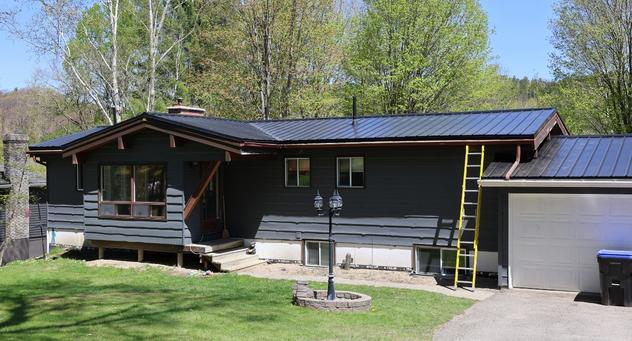
A classic cottage style roof often features steep pitches, charming dormers, and wide, overhanging eaves. These features are not just for looks; they are specifically designed to shed heavy water and snow efficiently. Today, there are many cottage roof styles, ranging from traditional steep-slope gables to hipped and gambrel designs, each offering a unique architectural aesthetic.
Beneath the surface, cottage roof framing plays a crucial role. The structural integrity of the trusses and rafters is paramount, especially since vacation homes often face harsh seasonal weather without year-round supervision. A well-built cottage roof must be robust enough to support not only the weight of the roofing material itself but also heavy environmental loads like snow, ice, and wind.
Evaluating Your Material Options
Choosing the right material means balancing aesthetics, durability, and weight. Here is a breakdown of the top contenders for vacation properties.
Metal vs. Asphalt Shingles
When weighing metal roofing vs asphalt shingles for cottages, both have distinct advantages that cater to different budgets and styles.
- Asphalt Shingles: Cost-effective, readily available, and easy to install. They offer a classic look and are easy to patch if a storm causes damage.
- Metal Roofing: Highly durable and practically maintenance-free. If you are exploring the pros and cons of standing seam metal roofs, you will find that while they require a significantly higher upfront investment and specialized installation, their interlocking panels offer unmatched weather resistance and no exposed fasteners that can leak over time.
Classic Wood Shakes
For a rustic, traditional look, cedar shakes are undeniably stunning. They blend perfectly into natural environments. However, they require a firm commitment to upkeep. Proper cedar shake maintenance for vacation homes involves regular treatments with wood preservatives and fungicides to prevent moss buildup, curling, and wood rot—especially in damp, shaded environments.
Solutions for Older Structures
If you are renovating a heritage property, structural weight is a critical factor. Heavy materials like natural slate or concrete tiles might compromise older, settling framing. Instead, opt for lightweight roofing for old cottage structures. Modern aluminum panels, fiberglass-based asphalt, or synthetic composite shingles can mimic the look of natural materials without putting dangerous structural strain on aging rafters.

Cottage roof’s Battling the Elements: Weather and Location Factors
Your cottage’s location dictates exactly what your roof will need to withstand while you are away.
Snow and Ice Challenges
In northern climates, you need the best roofing materials for snow loads. Metal roofs excel here, as their smooth surfaces allow heavy snowpacks to slide right off, preventing structural stress.
To further protect your property in freezing temperatures, you must know how to prevent ice dams on cottage roofs. Ice dams form when heat escapes from the cabin, melting snow on the roof which then refreezes at the colder eaves, pushing water under the shingles. Preventing this requires two things:
- Ventilation: Ensuring your attic has proper soffit and ridge vents to keep the roof deck cold.
- Protection: Meeting the strict underlayment requirements for cold climates. This means installing high-quality, self-adhering ice and water shields along the eaves, in the valleys, and around the chimney to seal out moisture.
Sun, Sand, and Water
If your property is on the water, high winds and relentless sun are your main enemies. You will need durable lakefront roofing options, such as rust-resistant aluminum (which won’t corrode from moisture) or architectural shingles rated for high wind speeds.
Additionally, consider energy efficient roofing colors for summer heat. Lighter shades of gray, white, or reflective metal coatings bounce UV rays away from the building. This keeps your un-air-conditioned cottage significantly cooler during those sweltering July afternoons.
Forest and Woodland Hazards
Cottages surrounded by deep woods are idyllic but carry specific environmental risks. First, consider the impact of tree cover on cottage roof lifespan. Falling branches can dent metal or crack shingles, while pine needles and persistent shade trap moisture, accelerating decay on wood or asphalt roofs. Regular debris clearing is absolutely essential.
More importantly, prioritize safety by installing fire-resistant roofing for wooded areas. Class A fire-rated materials, like steel, slate, or specially treated composite shingles, can protect your cabin from stray embers in regions prone to summer wildfires.
Upgrades, Maintenance, and Logistics for your Cottage Roof
Efficiency and Longevity
If you are already tearing off an old roof, take the opportunity to improve your cabin’s energy efficiency. Adding eco-friendly cottage roof insulation, such as closed-cell spray foam or recycled cellulose in the attic space, keeps you warm during brisk fall hunting trips and cool during summer holidays, all while lowering your carbon footprint.
Many owners eventually ask: what is the longest lasting roof for a cottage? Generally, standing seam metal, synthetic slate, or real slate can last anywhere from 50 to 75+ years. For most cottage owners, upgrading to one of these premium materials makes it a “one-and-done” lifetime investment.
Budgeting and Safety
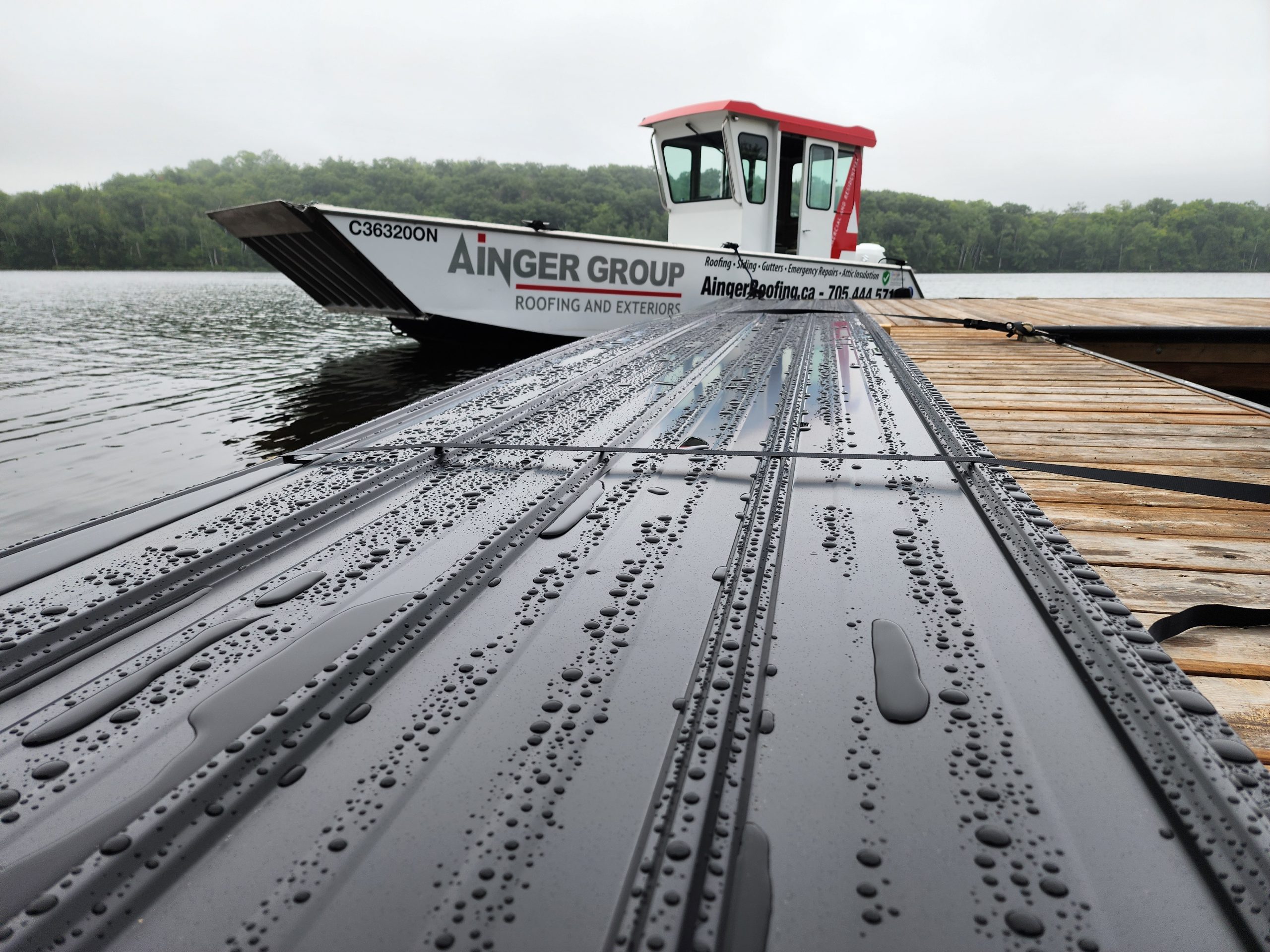
Logistics play a massive role in rural or island renovations. Be prepared: the cost of replacing a remote cabin roof is often 20% to 40% higher than a standard suburban home. This markup accounts for the complex transportation of materials (sometimes requiring barges or ATVs) and the travel time for labor crews.
Because of these steep costs, some handy owners attempt to do the patching or replacement themselves. If you go this route, brush up on essential DIY cottage roof repair safety tips:
- Always use an OSHA-approved roof harness and tie-off anchor.
- Never work alone at a remote property where emergency services are far away.
- Avoid stepping on wet metal panels or mossy wooden shingles, as they become incredibly slick.
- Use a sturdy ladder stabilized on flat ground.
Cottage Roofing
Your vacation home is an investment in your peace of mind and family heritage. By prioritizing proper ventilation, understanding your local weather challenges, and selecting the highest quality materials your budget allows, you can ensure your property remains a safe, dry haven for generations to come. Take the time to evaluate your specific environmental needs, and do not hesitate to consult a local roofing professional who truly understands the unique and rigorous demands of cottage environments.