
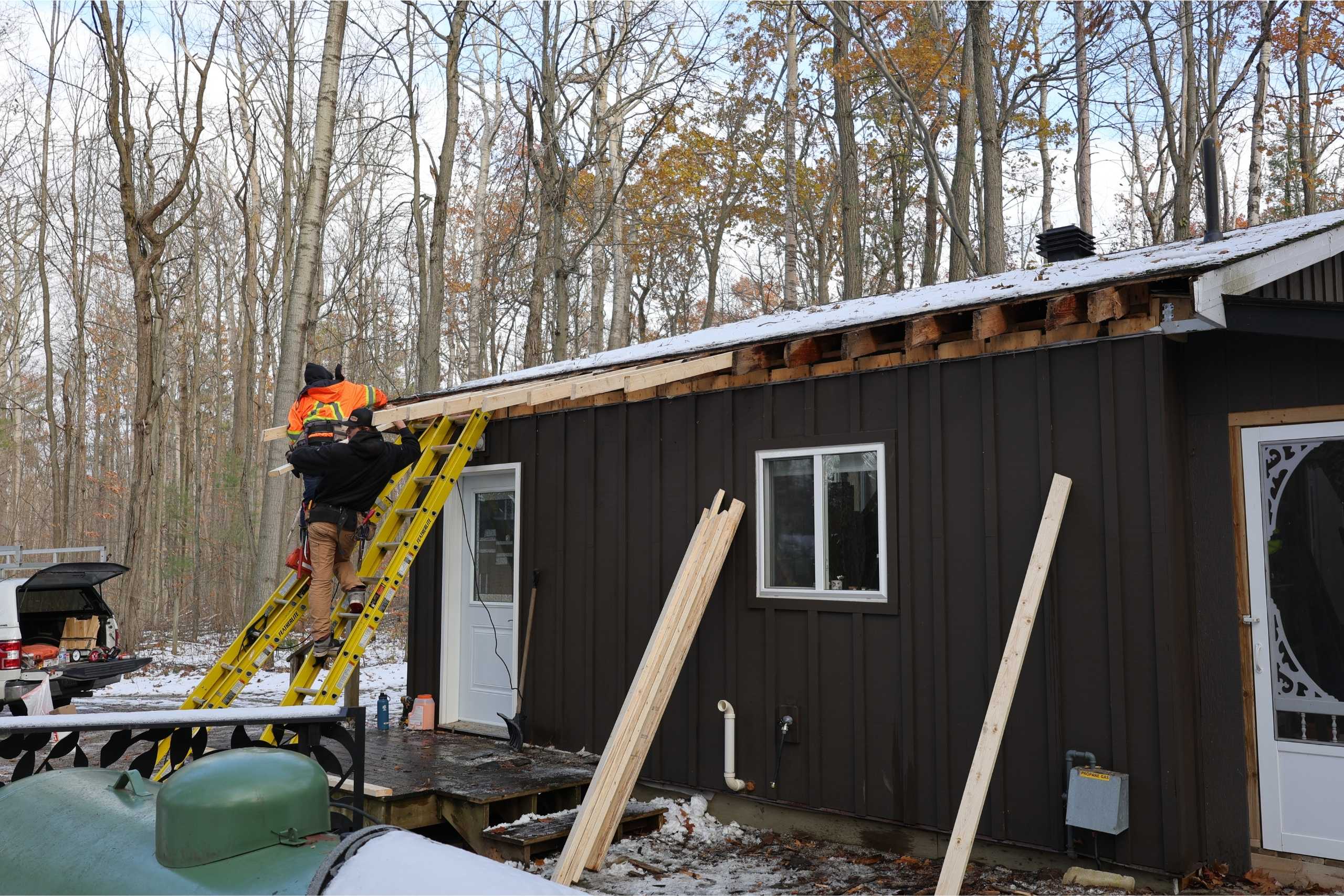
Every homeowner knows the sudden, sinking feeling of spotting a water stain spreading across the living room ceiling. Prompt roof repair is essential to protect your home’s interior, structural integrity, and overall value. But when you notice a problem, an immediate question arises: should you grab a ladder and your toolbelt, or is it time to call in the professionals?
While routine roof maintenance is something many homeowners can manage, roofing systems are complex and dangerous to navigate. Knowing your limits is crucial. Let’s break down which roofing repair projects you can safely tackle on a Saturday afternoon and which ones require the expertise of a seasoned roofing team.
Assessing the Damage: What Can You DIY?
For the handy homeowner who is comfortable working at heights, minor repairs are completely manageable. The key is knowing exactly what you are dealing with before you start prying off shingles.
Tracking Down the Water
Before you can fix anything, you have to find the source. Identifying common roof leak sources—such as cracked plumbing boots, missing shingles, or clogged gutters—is step one. A great DIY trick is to go up into your attic with a flashlight during a rainstorm. Look for active dripping or dark water trails on the wood, and follow them up to the highest point. Keep in mind that water rarely drips straight down; it usually travels along rafters before dropping onto your ceiling.
Minor Shingle and Vent Repairs
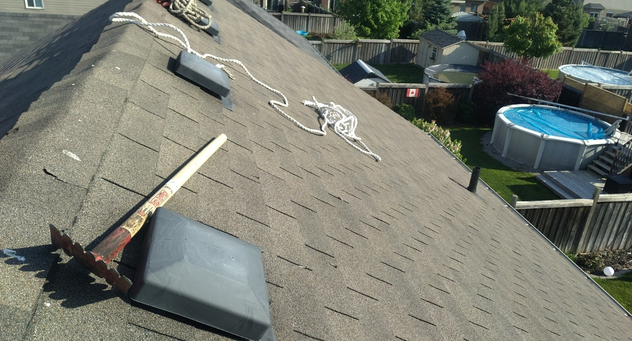
If you find a minor, localized issue, such as a cracked rubber gasket around a plumbing pipe, you can easily look up how to patch a leaking vent. It typically involves carefully removing the surrounding shingles, lifting the old vent boot, sliding a new one into place, and securing it with galvanized roofing nails and quality roofing cement.
If a few shingles blew off during a recent gust of wind, you might be curious about the cost of asphalt shingle replacement for a DIY job. Fortunately, buying a single bundle of shingles and a tube of roofing sealant is highly affordable. However, be aware of what is currently on your roof. If you are comparing architectural shingles vs three-tab shingles, remember that architectural (or dimensional) shingles are thicker, heavier, and require a slightly different overlapping technique to ensure a watertight seal.
Proceed with Caution: Intermediate Fixes
Some repairs blur the line between a weekend DIY project and a professional job. Proceed with these only if you have advanced DIY experience and a relatively flat roof pitch.
- Flashing Failures: Chimneys, skylights, and valleys are notorious for leaks. Fixing damaged chimney flashing requires a firm understanding of step flashing and counter-flashing. If you don’t weave the metal and shingles correctly, water will pool and eventually find a way into your home.
- Winter Weather Woes: In colder climates, preventing ice dam formation is a vital maintenance task. While you can safely rake snow off your roof’s lower edges from the ground, addressing the root cause of ice dams often means improving insulation.
- Airflow Issues: The hidden culprit behind many ice dams and baked, curled shingles is the impact of poor attic ventilation. Without proper intake (soffit) and exhaust vents, heat and moisture become trapped. Installing new ventilation systems requires cutting into the roof deck, a task best left to those with extensive carpentry skills.
The Danger Zone: When to Call the Professionals
DIY enthusiasm is great, but safety should always be your top priority. Roofs are steep, slippery, and unforgiving. Here is when you need to step back and call for professional roofing services.
Structural Issues and Extensive Damage
If you notice signs of structural roof rot—such as a sagging roof deck, spongy areas when you walk on it, or widespread black mold in your attic—do not attempt a DIY fix. Never walk on a spongy roof, as you could easily fall right through the plywood. This level of damage means water has bypassed your defenses for a long time, and the underlying wood is compromised.
Similarly, restoring hail damaged shingles is rarely a DIY job if a major storm has battered your neighborhood. While replacing one or two lightly bruised shingles is easy, hail usually compromises the protective granules across the entire roof surface, drastically reducing the lifespan of the system.
Roof Repair From Severe Storm Damage and Emergencies
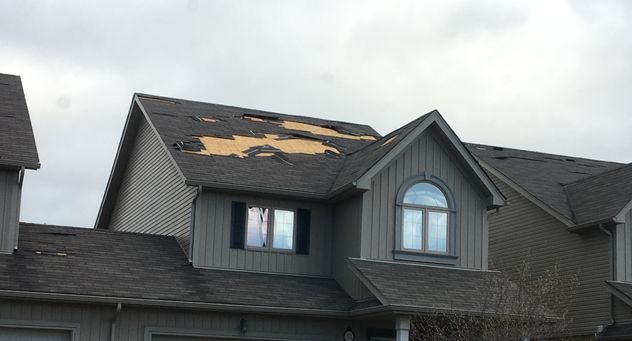
When a tree limb punctures your roof in the middle of a thunderstorm, you need an emergency roof repair. Do not climb onto a wet, storm-damaged roof. Professionals have the heavy-duty safety harnesses and equipment required to execute proper emergency roof tarping procedures. They will quickly waterproof your home to prevent further interior flooding without risking a fatal fall.
Furthermore, navigating the storm damage insurance claim process can be incredibly stressful and confusing. A reputable roofing company will thoroughly document the damage, provide detailed estimates, and meet directly with your insurance adjuster to ensure you receive the compensation necessary to restore your home.
Major Upgrades and Replacements
If patching is no longer an option, it is time to consider a total roof replacement instead of a roof repair. Many homeowners ask if they can save money by simply re-roofing over existing shingles (often called a layover). While this is allowed in some local building codes if you only have one layer of shingles, experts highly advise against it. Layovers add immense, unnecessary weight to your home’s frame and completely prevent the installers from inspecting the wood deck for hidden rot.
A complete tear-off allows professionals to upgrade your home’s defenses from the bare wood up. This includes:
- Installing synthetic underlayment: Unlike old-fashioned asphalt felt paper that tears easily and absorbs moisture, modern synthetic underlayment lies completely flat, is highly tear-resistant, and provides superior waterproofing.
- Choosing the best weather-resistant roofing materials: A replacement is your opportunity to upgrade. Whether you opt for Class 4 impact-resistant architectural shingles, standing seam metal, or composite slate, a professional can guide you toward the best materials for your specific climate.
Making the Right Hire
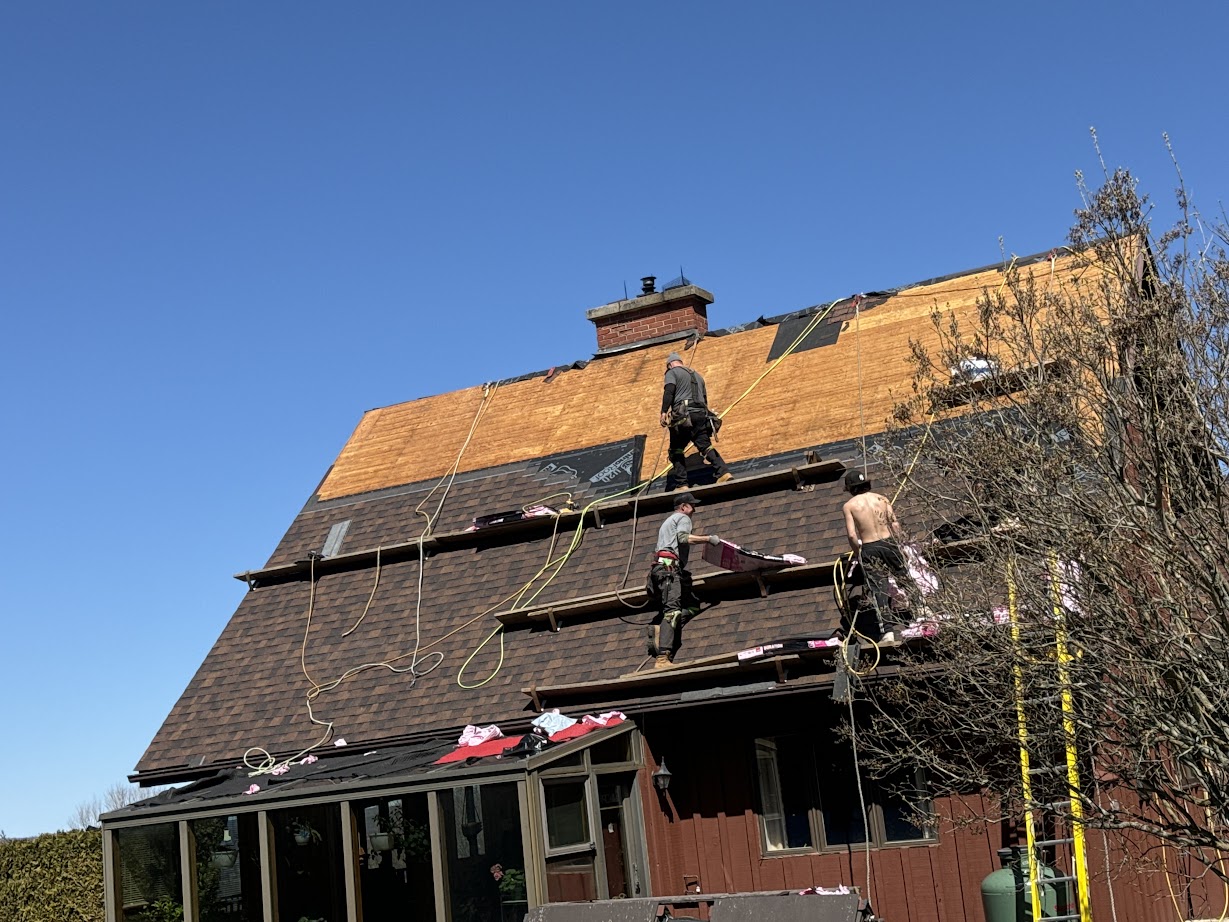
When your project falls into the professional category, hiring a licensed roofing contractor is the most important step you will take. Do not just blindly choose the lowest bidder. Ensure the company you hire is fully licensed, carries both general liability and workers’ compensation insurance, and has a strong portfolio of local reviews. A true professional will offer a solid warranty on both the manufacturing materials and their own workmanship.
Final Thoughts on Your Roof Repair
Knowing when to grab your toolbelt and when to pick up the phone can save you time, money, and potentially a trip to the emergency room. Simple tasks like clearing gutters, replacing a single shingle, or sealing a small vent are well within the DIY realm for the motivated homeowner.
However, for major structural overhauls, steep-slope repairs, or full replacements, protecting your most valuable asset means relying on the professionals. Invest in high-quality materials, prioritize regular inspections, and your roof will keep you safe and dry for decades to come.
For a complete, thorough and no obligation assessment, get in touch with us here. We’re a second generation, family owned roofing and exteriors company with an average Google rating of 4.9, with over 1,500 reviews. Our team comprises some of the best in the industry and is prompt, hardworking, efficient and are great communicators.