
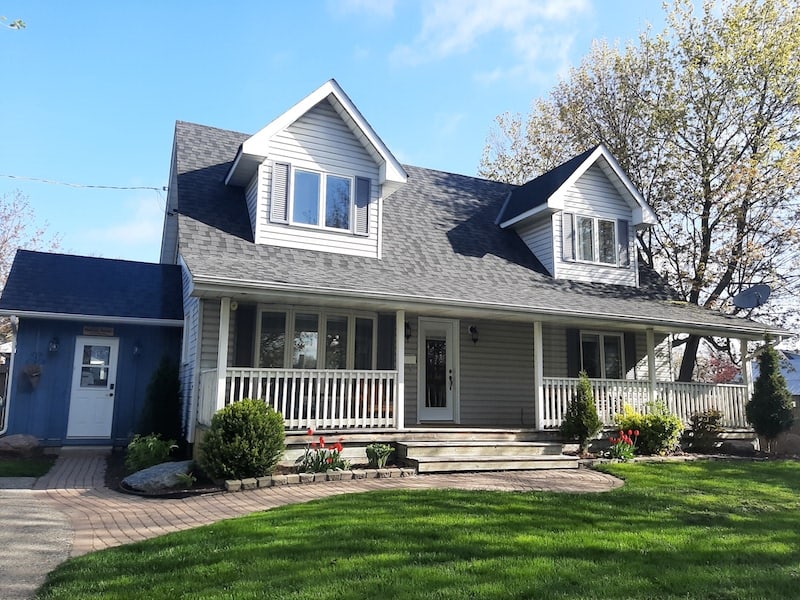
How long does a roof last in Canada? The lifespan of a roof is influenced by several factors, including the type of material used, climatic conditions, and the quality of installation and maintenance. In a country like Canada, where the weather can vary dramatically from one region to another, understanding these factors is essential for making informed decisions about your roofing needs. In this article, we’ll delve into these factors to provide a comprehensive understanding of roof longevity in the unique Canadian environment, helping you make the best choice for your home.
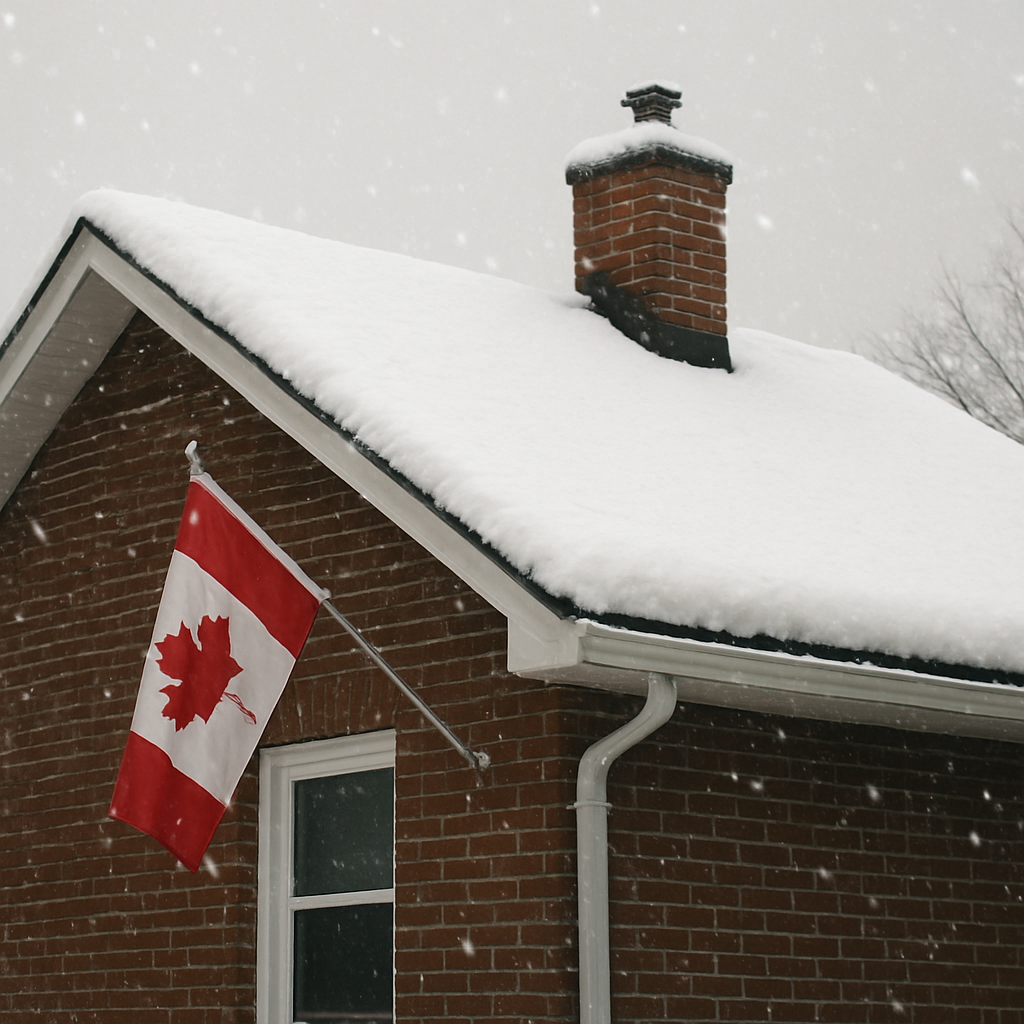
The lifespan of a roof is not a one-size-fits-all scenario. It varies widely depending on the materials used. In Canada, where weather conditions can be harsh and unpredictable, choosing the right roofing material is crucial. This section will explore the common types of roofing materials used in Canada and their expected lifespan. Understanding these materials’ characteristics will help you choose a roof that not only fits your aesthetic preferences but also withstands the environmental challenges unique to your region.
Asphalt Shingles Roof Lifespan
Asphalt shingles are one of the most popular roofing materials in Canada due to their affordability and ease of installation. So, how long do asphalt shingles last? Generally, the life of asphalt shingles ranges from 15 to 30 years. The lifespan of roof shingles can be affected by factors such as the quality of the shingles, the installation process, and the weather conditions they face. In areas with milder climates, asphalt shingles may last closer to 30 years, whereas in regions with severe weather, their lifespan may be significantly shorter.
Factors Affecting Asphalt Shingle Longevity
- Quality of Shingles: High-quality asphalt shingles often come with a longer warranty and better resistance to harsh weather conditions. Investing in premium shingles can result in fewer repairs and replacements over time.
- Weather Conditions: Extreme weather, including heavy snowfall, ice, and strong winds, common in many parts of Canada, can shorten the lifespan of asphalt shingles. Regions that experience frequent freeze-thaw cycles may also see accelerated wear and tear.
- Installation Quality: Proper installation is essential for maximizing the lifespan of your roof. Poor installation can lead to premature shingle failure. Engaging a certified professional can ensure that your shingles are properly aligned, sealed, and vented.
Metal Roofing Lifespan
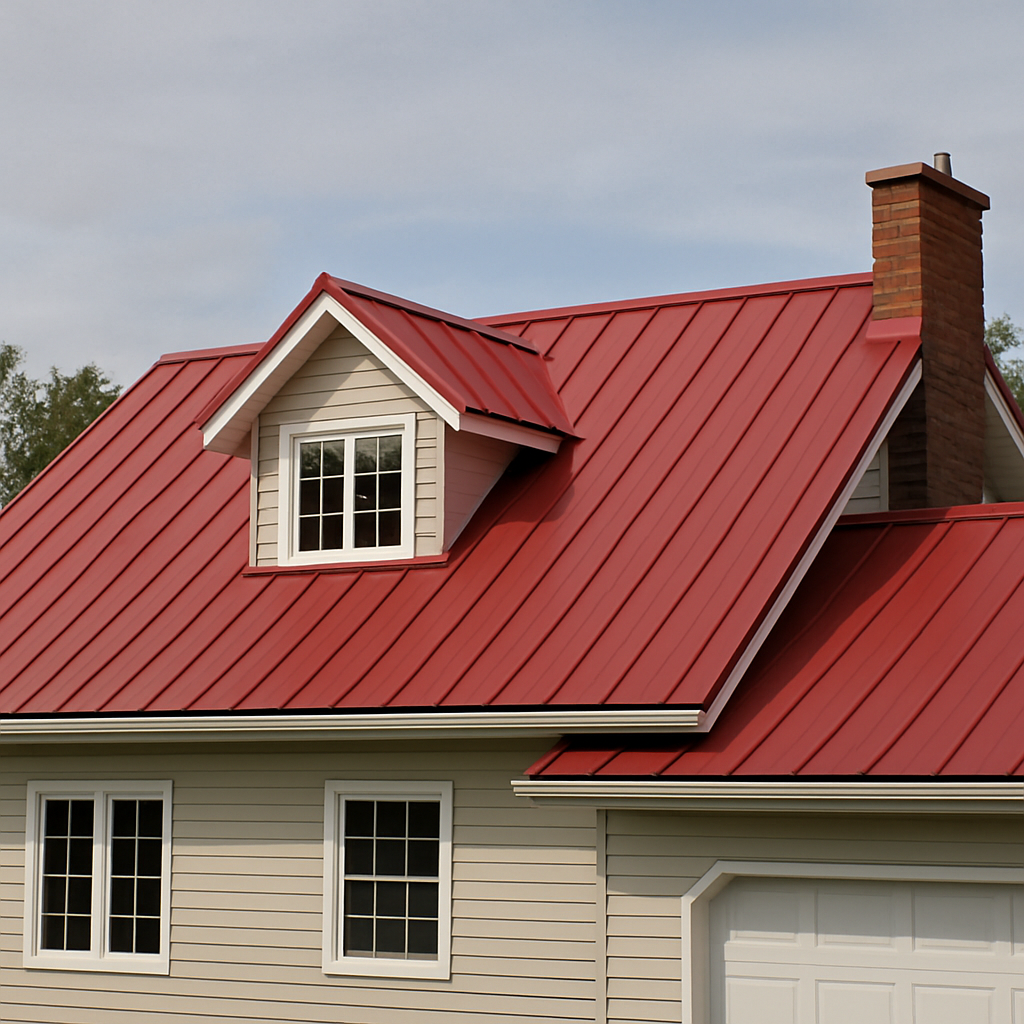
Metal roofs are gaining popularity due to their durability and energy efficiency. They can last between 40 to 70 years, making them a long-term investment for homeowners. The longevity of metal roofs is particularly appealing in areas prone to severe weather, as they can withstand high winds, heavy snow, and even hail better than other materials.
Advantages of Metal Roofing
- Durability: Metal roofs withstand harsh weather conditions better than many other materials. They are also resistant to fire, rot, and insect damage, making them a robust choice for longevity.
- Maintenance: They require less maintenance compared to other roofing materials. Regular inspections and occasional repainting can help maintain their appearance and functionality.
- Energy Efficiency: Metal roofs reflect solar radiant heat, which can reduce cooling costs in the summer. Some metal roofing systems can also be installed with additional insulation, enhancing their energy-saving capabilities.
Wood Shingles and Shakes Roof Lifespan
Wood shingles and shakes offer a natural and rustic look. However, they require more maintenance and are susceptible to weather-related damage. Their lifespan typically ranges from 20 to 40 years. While they provide excellent insulation and a traditional aesthetic, their susceptibility to moisture and insect damage requires vigilant upkeep.
Maintenance Tips for Wood Roofs
- Regular Cleaning: Remove debris and moss to prevent moisture retention. Moisture can lead to rot and decay, drastically reducing the roof’s lifespan.
- Sealing: Periodic sealing can help protect wood roofs from moisture and UV damage. Applying a protective coating can also enhance their natural beauty.
- Pest Control: Regular inspections for termites and other pests can prevent damage. Implementing preventative measures can save you from costly repairs down the road.
Slate and Tile Roofing Lifespan
Slate and tile roofs are known for their exceptional longevity, often lasting 50 to 100 years. They are, however, more expensive and require professional installation. These materials are ideal for homeowners seeking a long-term solution and willing to invest in quality upfront.
Considerations for Slate and Tile Roofs
- Weight: These materials are heavy, so structural reinforcement may be necessary. It’s essential to consult a structural engineer to ensure your home can support the additional weight.
- Cost: The initial cost is higher, but the extended lifespan can offer better value over time. Slate and tile roofs also tend to increase property value due to their durability and aesthetic appeal.
- Aesthetic Appeal: They provide a classic and elegant appearance. Available in various colors and styles, they can complement a wide range of architectural designs.
Factors Influencing Roof Longevity in Canada
In addition to the type of roofing material, several other factors can influence how long a roof lasts in Canada. Understanding these factors can help homeowners make better decisions about maintenance and repairs, ultimately extending the life of their roof.
Climate and Weather
Canada’s diverse climate can significantly impact roof longevity. For example, roofs in coastal areas might face saltwater corrosion, while those in the northern regions contend with heavy snow loads and ice dams. Understanding your local climate can help in selecting the appropriate roofing material and maintenance practices. Wind, humidity, and temperature fluctuations are other critical factors that can affect different materials in various ways.
Maintenance Practices
Regular maintenance is key to extending the lifespan of any roof. This includes:
- Routine Inspections: Identifying and addressing minor issues before they become major problems. Regular checks help catch issues such as leaks or damaged shingles early.
- Cleaning Gutters: Ensuring proper drainage to prevent water damage. Clogged gutters can lead to water pooling, which can damage the roof structure.
- Removing Debris: Keeping the roof clear of leaves, branches, and other debris to prevent moisture buildup. Regular cleaning can prevent moss and algae growth, which can deteriorate roofing materials.
Installation Quality
The quality of the installation process is crucial. A poorly installed roof can lead to leaks, shingle blow-offs, and other issues that reduce its lifespan. It’s advisable to hire experienced roofing professionals who adhere to industry standards. Ensuring that your roofing contractor is licensed and insured can provide additional peace of mind.
Conclusion
The lifespan of a roof in Canada depends on various factors, including the type of roofing material, climate conditions, and maintenance practices. Asphalt shingles can last 15 to 30 years, while metal roofs can endure for 40 to 70 years. Wood shingles offer 20 to 40 years of service, and slate or tile roofs can last a century with proper care. By understanding these factors and taking proactive steps in maintenance and choosing the right materials, homeowners can ensure their roofs last as long as possible, providing safety and comfort in Canada’s diverse climates.
Investing in quality materials and professional installation, along with regular maintenance, will maximize your roof’s lifespan, making it a wise investment for the future. Whether you’re building a new home or replacing an old roof, considering these factors can lead to a more resilient and long-lasting roofing solution. By prioritizing durability and quality, you can enjoy peace of mind knowing that your roof will protect your home for decades to come.