
Choosing the Right Roofing Materials for Your Home
Choosing the right roofing materials is crucial for your home’s protection and style. With so many roofing options available, it can be overwhelming to decide. Each roof type for houses offers unique benefits and challenges.
Understanding the different types of roofing materials can help you make an informed choice. From asphalt shingles to metal roofing, each material has its pros and cons.
Consider factors like durability, cost, and aesthetics when exploring roofing choices. The right roofing for home not only enhances curb appeal but also boosts energy efficiency.
Additionally, consulting with roofing material suppliers can provide valuable insights and product samples. As a result, you can compare your options more confidently. This guide will help you navigate the roofing materials list and choose the best roofing solution for your needs.
Understanding the Importance of Roofing Materials
Roofing materials play a vital role in protecting your home. They shield your property from the elements while helping maintain its structural integrity. As a result, choosing durable roofing materials can reduce repairs and extend the life of your roof.
In addition, different roof types and materials can affect your home’s energy efficiency. Some options provide better insulation, which may help lower heating and cooling costs. Therefore, it’s important to choose a roofing material that suits your local climate.
Finally, a wide variety of roofing materials can meet different design preferences and performance needs. The following benefits explain why selecting the right roofing material is so important:
- Durability: Some materials last longer than others.
- Maintenance: Consider how much upkeep is needed.
- Aesthetics: Match materials with your home’s design.
- Cost: Factor in initial and long-term expenses.
Key Factors to Consider When Choosing Roofing Materials
Choosing the right roofing materials for your home involves several key considerations. Each factor can influence the final decision. Pay attention to the local climate, as it significantly impacts material suitability and longevity.
Budget plays a crucial role, but consider long-term costs, not just the initial price. Some materials might require more maintenance, which can add to expenses over time. Think about how often you’d like to pay for roof repairs or replacements.
Your home’s architectural style also guides material choices. Some materials complement certain styles better than others, enhancing overall curb appeal. It’s essential to ensure architectural harmony.
Key considerations include:
- Climate: Ensure durability in weather conditions.
- Budget: Balance upfront costs with future savings.
- Style: Match materials with home aesthetics.
- Maintenance: Consider required upkeep.
Overview of Roof Types for Houses
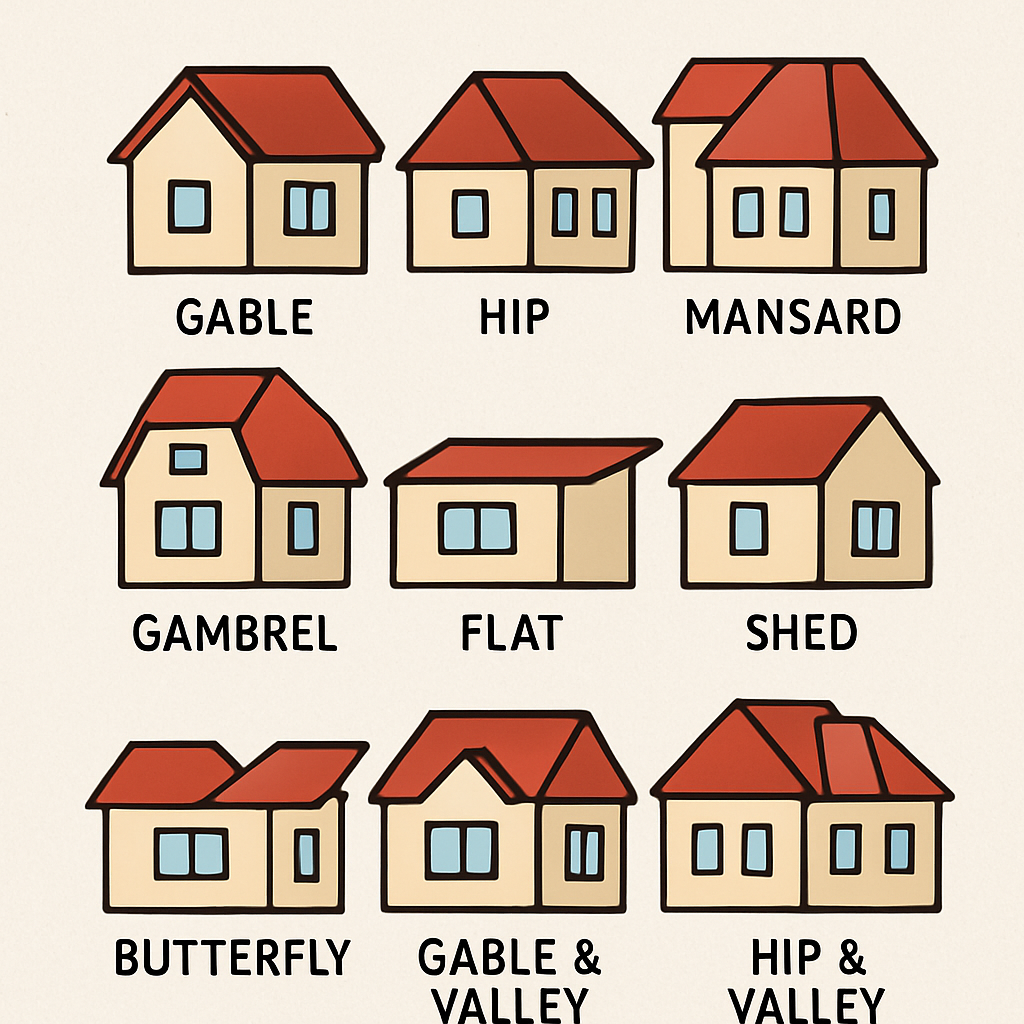
Understanding the different roof types for houses is essential when choosing roofing materials. Each roof design can influence which materials perform best. In addition, every style offers its own advantages and challenges.
For example, gable roofs feature two sloping sides and remain one of the most common roof styles. Their simple design allows water and snow to drain efficiently. Meanwhile, hip roofs slope on all sides, providing greater stability in high winds.
Flat roofs offer a modern appearance and create additional space for features such as green roofs or solar panels. However, they typically require more maintenance than sloped roofs. Furthermore, complex roof designs often require specific roofing materials and experienced installation to ensure long-term performance.
Here’s a list of common roof types:
- Gable Roofs: Two sloped sides, easy to build.
- Hip Roofs: Slopes on all sides, strong in wind.
Flat Roofs: Modern look, versatile for installations.
Popular Kinds of Roofing Materials
Choosing the right roofing involves understanding the range of materials available. Each option offers distinct benefits and drawbacks. Asphalt shingles and metal roofing are popular due to their practicality and durability.
Here’s a quick guide to some favored roofing materials:
- Asphalt Shingles: Affordable and easy to install.
- Metal Roofing: Durable and energy-efficient.
- Clay and Concrete Tiles: Aesthetic and strong.
- Wood Shingles and Shakes: Natural look but needs upkeep.
- Slate Roofing: Long-lasting but costly.
- Synthetic Materials: Lightweight and often budget-friendly.
- Green and Solar Roofs: Eco-friendly and innovative.
Asphalt Shingles
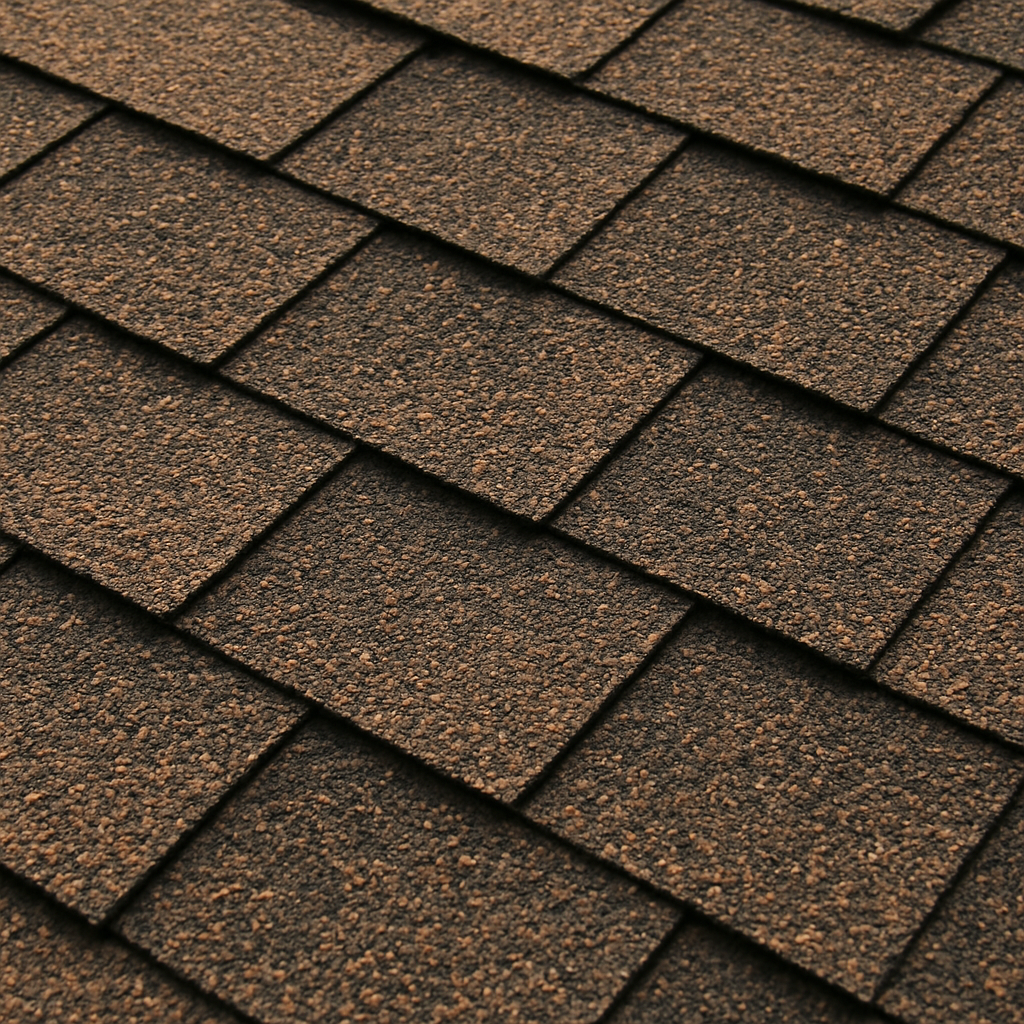
Asphalt shingles remain a popular choice for many homeowners. They offer an affordable roofing solution and a straightforward installation process. In addition, manufacturers produce them in a wide range of colours and styles. As a result, asphalt shingles complement many architectural designs and home styles.
Benefits of asphalt shingles include:
- Cost-Effectiveness: Lower initial cost compared to other materials.
- Ease of Installation: Quick to install, saving labor costs.
- Versatility: Wide range of colors and styles available.
Despite their benefits, they may not last as long as other materials.
Metal Roofing
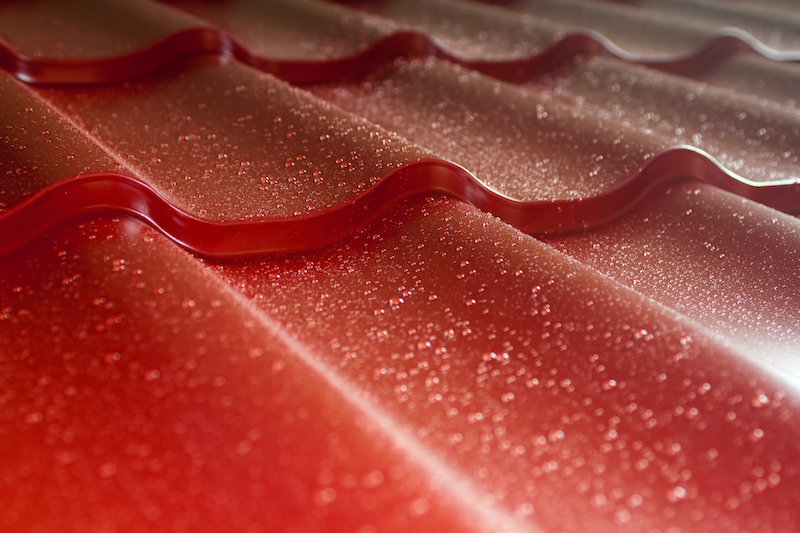
Metal roofing stands out for its durability and energy efficiency. It’s an investment that can last over 50 years. Withstanding harsh weather, metal roofs are ideal for many climates.
Advantages of metal roofing include:
- Longevity: Lasts longer than most materials.
- Energy Efficiency: Reflects solar heat, reducing cooling costs.
- Recyclability: Can be reused at the end of its life.
However, initial costs can be higher.
Clay and Concrete Tiles
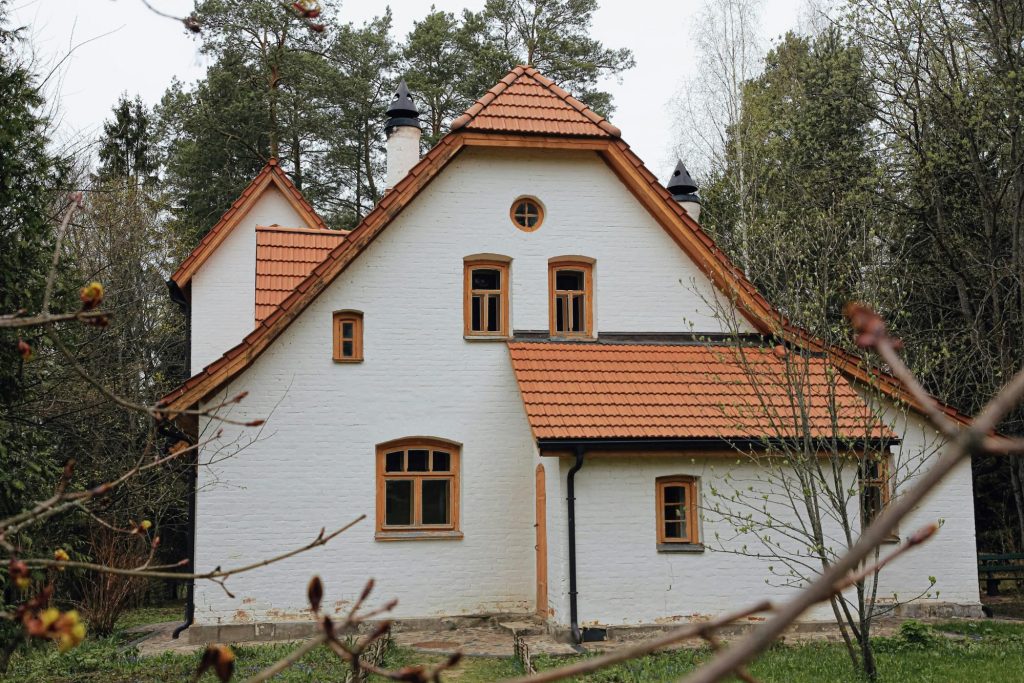
Clay and concrete tiles give homes a timeless, classic appearance. In addition, they offer exceptional durability and strength. These roofing materials can withstand fire and extreme weather conditions. As a result, they provide a reliable and long-lasting roofing solution.
Key benefits include:
- Aesthetic Appeal: Adds a traditional look to homes.
- Durability: Resistant to fire and harsh conditions.
- Longevity: Can last for decades with proper care.
Their heavy weight may require structural reinforcement.
Wood Shingles and Shakes
Wood shingles and shakes bring a natural beauty to homes. They offer an organic aesthetic that blends with the environment. However, maintenance is crucial to prevent decay.
Benefits of using wood include:
- Natural Look: Enhances the home’s appearance.
- Eco-Friendly: Made from sustainable materials.
- Insulation: Offers natural insulation properties.
They may be less fire-resistant unless treated.

Slate Roofing
Slate roofing is renowned for its elegance and longevity. Though costly, it lasts over a century, making it a lifetime investment. It’s ideal for those seeking a high-end option.
Features of slate roofing include:
- Exceptional Durability: Can last 100 years or more.
- Classic Appeal: Offers unmatched aesthetic value.
- Low Maintenance: Requires minimal upkeep.
It’s heavy, so not suitable for all structures.
Synthetic Roofing Materials
Synthetic materials mimic traditional options like slate or cedar. They are lighter and often cost-effective. These materials provide flexibility in design and installation.
Advantages of synthetic roofing include:
- Affordability: Cost-effective alternative to natural materials.
- Lightweight: Easier to install and reduces structural load.
- Versatile Designs: Available in various styles and colors.
Their durability can vary, so choose wisely.

Green and Solar Roofs
Green and solar roofs offer sustainable solutions. Solar tiles generate electricity, reducing energy bills.Green roofs improve insulation and air quality.
Benefits of these options:
- Eco-Friendly: Contribute to sustainability.
- Energy Savings: Solar roofs cut electricity costs.
- Increased Insulation: Enhances building performance.
They may require specialized installation.
Comparing Different Types of Roofing Materials: Pros and Cons
When selecting roofing materials, it’s essential to weigh the pros and cons of each type. This aids in identifying which best suits your home’s requirements. Different factors, like climate compatibility and cost, influence the decision.
Here’s a quick comparison:
- Asphalt Shingles:Pros: Affordable, easy to install.
- Cons: Shorter lifespan.
- Metal Roofing:Pros: Long-lasting, energy-efficient.
- Cons: Higher initial investment.
- Clay and Concrete Tiles:Pros: Attractive, durable.
- Cons: Requires strong roof support.
- Wood Shingles:Pros: Aesthetic, eco-friendly.
- Cons: High maintenance.
For thoughtful decisions, consider aspects like durability, maintenance needs, and aesthetic appeal. Let your environment and budget guide your choice.
Roofing Material Suppliers and Product Selection Tips
Finding trustworthy roofing material suppliers can streamline your selection process. Select vendors who offer a diverse range of products. This allows for better comparison and informed decisions.
Here are some tips for selecting roofing materials:
- Research Supplier Reputation: Look for reviews and recommendations.
- Request Samples: Assess material quality before purchasing.
- Check for Warranties: Ensure long-term protection.
- Compare Prices: Factor in material and installation costs.
Engaging with reputable suppliers ensures access to high-quality roofing materials. It also provides valuable guidance tailored to your home’s specific needs.
Cost, Lifespan, and Maintenance: What to Expect
Understanding the cost, lifespan, and maintenance needs of roofing options is crucial. These factors greatly affect your decision-making process and financial planning.
Here’s what to expect from different roofing materials:
- Asphalt Shingles: Affordable, 20-30 years, regular maintenance.
- Metal Roofing: Higher cost, up to 50 years, low upkeep.
- Clay Tiles: Expensive, over 50 years, minimal maintenance.
- Wood Shakes: Mid-range cost, 30 years, frequent maintenance.
- Slate: High cost, over 100 years, minimal maintenance.
Evaluating these elements ensures you choose materials that align with your financial and longevity expectations.
Energy Efficiency, Sustainability, and Environmental Impact
Roofing materials contribute significantly to a home’s energy efficiency. They impact heating and cooling costs and overall comfort levels.
When considering sustainability, examine the environmental impact each material has. Whenever possible, choose roofing materials that reduce energy consumption and support environmentally friendly building practices. As a result, you can improve your home’s energy efficiency while reducing its environmental impact.
Some sustainable roofing materials include:
- Metal Roofing: Reflects sunlight, reduces energy costs.
- Green Roofs: Enhances insulation, supports biodiversity.
- Solar Tiles: Generates renewable energy, lowers carbon footprint.
Selecting an energy-efficient and sustainable roof benefits both the environment and your wallet. Optimize your home’s eco-friendly potential with careful material selection.

Making the Best Roofing Choice for Your Home
Selecting the ideal roofing material requires balancing various factors. Consider both your practical needs and personal preferences.
To make an informed decision, evaluate the following:
- Climate Suitability: Ensure the material withstands local weather.
- Aesthetic Harmony: Match the roof style with your home’s design.
- Budget Constraints: Account for both initial and long-term costs.
Finally, consulting with a roofing expert can provide valuable insights. As a result, you can choose a roofing material that matches your home’s specific needs and long-term goals.
Conclusion: Your Roofing Materials Checklist
Selecting the right roofing material can feel overwhelming. However, a simple checklist can make the process much easier. It helps you compare your options and guides you toward the best choice for your home’s needs.
Roofing Materials Checklist
- Evaluate local climate and weather conditions.
- Consider aesthetic and architectural compatibility.
- Review budget for materials and installation.
- Assess energy efficiency options.
- Verify manufacturer warranties and guarantees.
By following this checklist, you can make a confident and well-informed choice. Your roof will not only protect your home but also enhance its value and curb appeal.